
Chinese Astrology
Is Your Destiny Fixed? A Chinese Astrology Perspective
On fate, luck, timing, and the freedom to choose.
There is a question that often sits quietly behind every astrology reading:
If my destiny can be read, does that mean my future has already been decided?
It is an understandable question. When we encounter a birth chart, a prediction, or an interpretation of our personal fortune, it can feel as though our lives have been written in advance.
Yet there is another way to approach Chinese astrology.
Rather than treating a reading as a final judgment, we can understand it as a traditional framework for observing patterns, reflecting on circumstances, and making more thoughtful choices.
At YukDao, we believe the value of a reading lies not in surrendering to fate, but in discovering how to engage with life more consciously.
1. Fate, Luck, and the Changing Seasons of Life
In Chinese metaphysical traditions, three ideas offer different perspectives on the unfolding of life.
Ming (命, mìng): Fate or Life Pattern
Ming is often understood as the underlying pattern associated with a person’s birth.
In BaZi, also known as the Four Pillars of Destiny, a chart is derived from the year, month, day, and hour of birth.
Traditionally, these patterns are interpreted as symbolic indications of temperament, relationships, tendencies, and life circumstances.
They do not establish that every future event is inevitable.
Yun (運, yùn): Luck or Life Cycles
Yun introduces the idea that circumstances change over time.
In BaZi practice, longer periods of fortune are traditionally considered through Da Yun (大運, dà yùn), meaning ten-year luck cycles.
A particular period may be interpreted as more supportive or challenging within the system, but that interpretation is not a scientifically established forecast.
Liu Nian (流年, liú nián): Annual Influences
Liu Nian refers to the changing influences associated with individual years.
The distinction between an underlying birth pattern, longer life cycles, and annual influences reflects an important idea:
Life is not viewed through a single, unchanging condition.
Circumstances evolve. Opportunities emerge. Difficulties arise.
And people respond.

2. A Reflection from Hong Kong Metaphysics Practitioner Mr. Chow Hon Ming
Hong Kong metaphysics practitioner Mr. Chow Hon Ming (周漢明, Zhōu Hànmíng) has discussed the relationship between fate, luck, and the changing conditions of life.
A traditional saying he cites expresses the idea:
「命好不如運好,運好不如流年好」
Mìng hǎo bù rú yùn hǎo, yùn hǎo bù rú liú nián hǎo.
Its meaning can be understood as:
A favorable destiny may matter less than favorable luck, and favorable luck may matter less than the timing of a particular year.
This is an interpretive English translation rather than a literal word-for-word rendering.
The reflection also draws attention to human effort, thought, and wisdom in responding to circumstances.
One evocative image is that of a Ming Deng (明燈, míng dēng), an illuminating lamp.
A traditional reading may offer light with which to consider the road ahead.
But a lamp cannot make decisions, cultivate relationships, develop skills, or take responsibility for our actions.
Those remain human tasks.
Understanding a possible pattern is not the same as being controlled by it.

3. Can BaZi Predict Your Future?
BaZi is a traditional Chinese metaphysical system that interprets relationships among the Heavenly Stems, Earthly Branches, Five Elements, and cycles of time.
Practitioners may use it to explore questions about personality, work, relationships, and periods of change.
However, there is an important difference between a traditional interpretation and an objectively verified prediction.
A BaZi reading cannot guarantee that someone will become wealthy, marry at a particular age, experience a specific event, or achieve a predetermined outcome.
Human lives are shaped by countless factors beyond a birth chart: family, education, health, opportunity, social conditions, personal decisions, and chance.
For this reason, YukDao approaches BaZi as a framework for reflection rather than a source of certainty.
A reading may inspire useful questions:
- What personal tendencies do I recognize in myself?
- Which habits support my goals, and which might hold me back?
- What circumstances deserve more careful attention?
- What choices remain available to me?
These questions preserve the most important part of the experience:
Personal agency.
4. The Five Elements: A Language for Understanding Balance
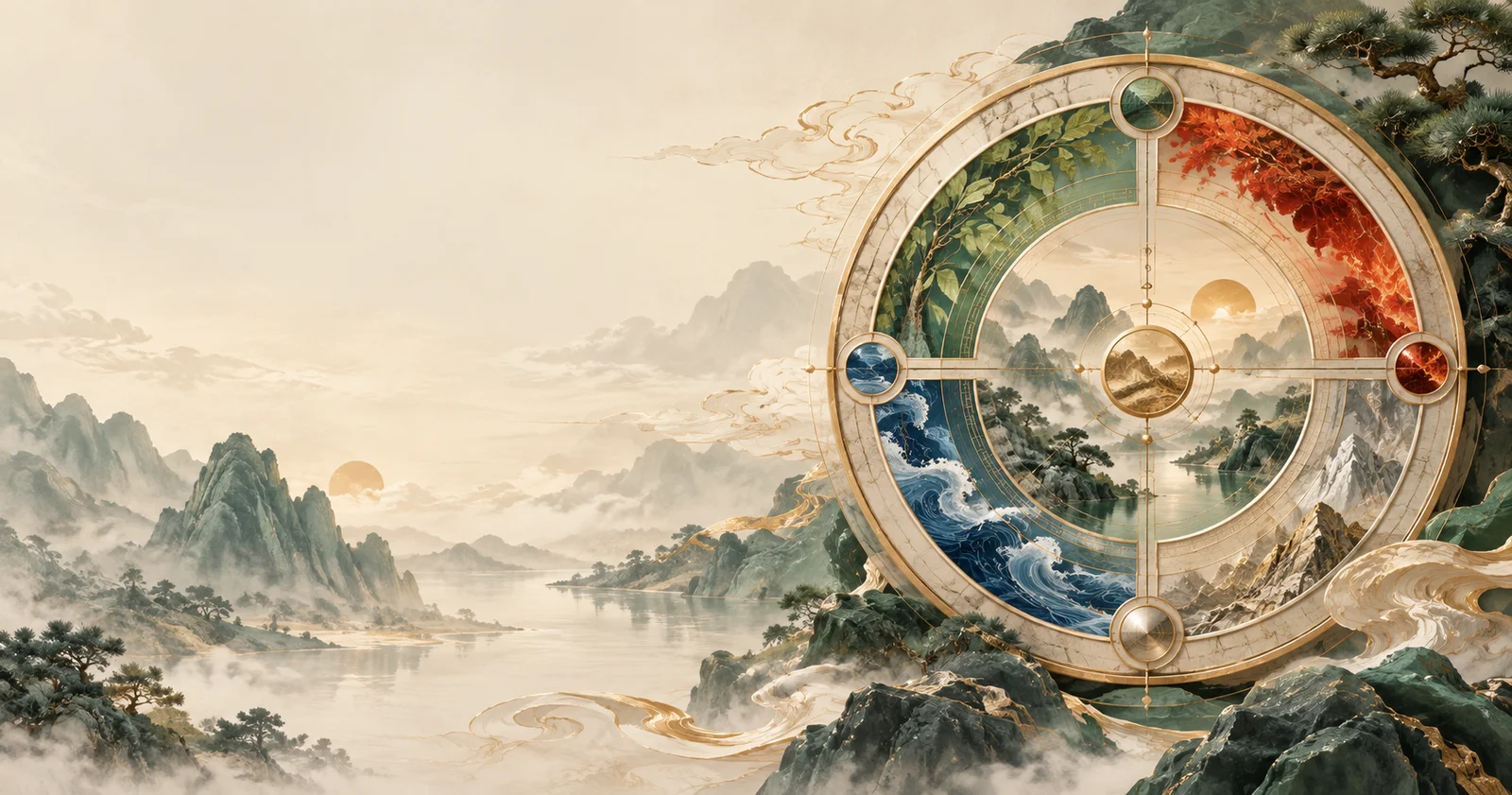
The Five Elements, Wood, Fire, Earth, Metal, and Water, form an important symbolic framework in Chinese metaphysics.
They are traditionally used to describe relationships, transformations, and patterns of interaction.
At YukDao, we use these concepts to help explain traditional chart interpretations in accessible English.
For example, an interpretation associated with Wood may encourage reflection on growth, flexibility, or direction.
Water imagery may invite consideration of adaptability and reflection.
These are interpretive metaphors, not clinical personality diagnoses.
Likewise, a so-called favorable element should not be understood as a scientifically proven way to improve wealth, health, or luck.
The purpose is to make an unfamiliar traditional framework understandable without presenting its symbolism as established science.
5. What Different Chinese Astrology Tools Can Offer
Chinese metaphysics includes several distinct traditions. Each provides a different way of approaching questions about life.
BaZi: Understanding Your Birth Chart
BaZi uses the Four Pillars of birth to construct a traditional chart.
It can serve as a starting point for exploring elemental relationships, personal tendencies, and interpretations of changing life cycles.
Zi Wei Dou Shu: Exploring Life Themes
Zi Wei Dou Shu (紫微斗數, zǐ wēi dǒu shù) uses a different charting framework, traditionally interpreting stars and palaces associated with various areas of life.
It offers another symbolic perspective on themes such as relationships, career, and personal development.
I Ching: Reflecting on Change and Decisions
The I Ching (易經, yì jīng), or Book of Changes, is especially relevant when considering uncertainty.
Rather than treating its hexagrams as guaranteed answers, we can use their traditional imagery to reflect on changing situations, competing priorities, and possible responses.
Chinese Zodiac: A Cultural Starting Point
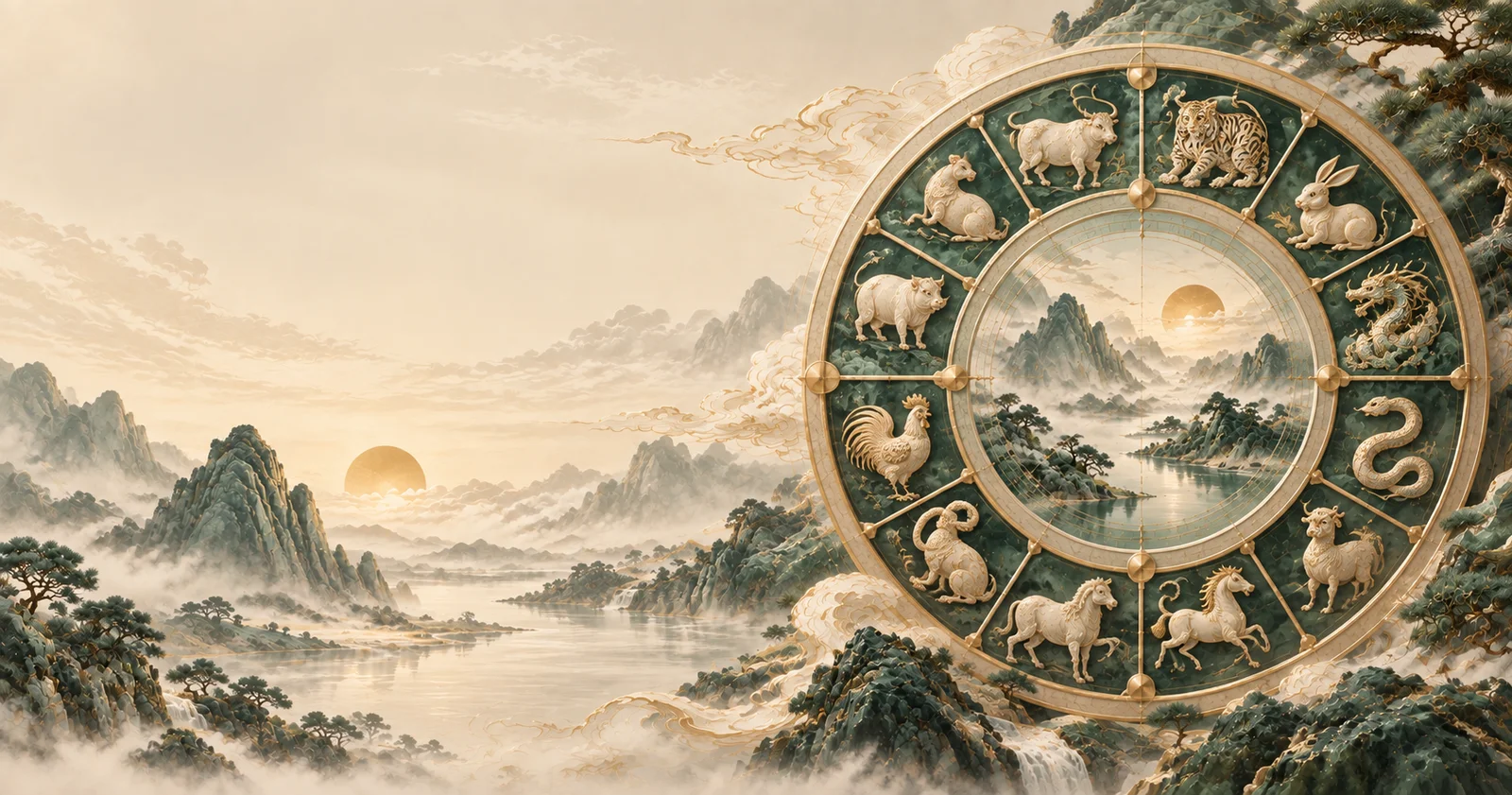
The Chinese zodiac offers an accessible introduction to the traditional twelve-animal cycle.
It can help readers explore Chinese cultural symbolism, but a birth-year animal alone does not represent the complexity of a full BaZi chart.
BaZi Compatibility: Understanding Relationship Dynamics
Traditional compatibility readings compare patterns between two birth charts.
They may offer conversation prompts about differences, shared tendencies, and relationship expectations.
They cannot determine whether two people will remain together, nor can a numerical compatibility score measure the probability of a successful relationship.
6. Your Choices Still Matter
Consider two people who receive a similar traditional interpretation about a challenging period.
One may respond by avoiding every opportunity.
Another may use the reading as a reminder to prepare carefully, communicate clearly, and seek better information.
Their responses may lead to very different experiences.
The reading itself does not make those decisions.
This is why we believe Chinese astrology is most useful when it encourages reflection without creating fear or dependency.
It should never be used as the sole basis for medical, financial, legal, or other consequential decisions.
And no interpretation should persuade someone that their future is hopeless, that a relationship is doomed, or that personal effort is meaningless.
The future remains uncertain.
Human responsibility remains essential.
7. The YukDao Philosophy: A Guide, Not a Verdict
YukDao brings traditional Chinese metaphysical frameworks into a contemporary digital experience.
Our goal is to make these traditions more accessible to English-speaking readers while respecting their cultural origins and interpretive limitations.
We believe a thoughtful reading should offer perspective rather than certainty, curiosity rather than fear, and reflection rather than dependence.
A birth chart may suggest a pattern within a traditional system.
A changing year may invite us to reconsider our priorities.
An I Ching hexagram may offer an image through which to examine a difficult question.
But none of these replaces the choices we make.
The patterns may offer perspective.
The choices remain yours.
A reading is a guide, not a verdict.
Explore Your BaZi Birth Chart
Discover how the Four Pillars and Five Elements are interpreted within traditional Chinese astrology.
Explore Your BaZi AnalysisFrequently Asked Questions
Is Chinese astrology deterministic?
Chinese metaphysical traditions include ideas about fate and cyclical influences, but interpretations vary among schools and practitioners. YukDao does not treat readings as proof that future events are predetermined.
Can BaZi accurately predict my future?
BaZi is a traditional interpretive system, not a scientifically validated method for predicting specific life events. Its readings can be used for personal reflection, but outcomes are not guaranteed.
What is the difference between Ming and Yun?
Ming (命, mìng) generally refers to an underlying life pattern or fate, while Yun (運, yùn) refers to changing periods of fortune. Different schools may interpret their relationship differently.
Can I change my destiny?
No astrology system can establish whether destiny is fixed. In practical life, decisions, effort, relationships, opportunities, and external circumstances influence what happens. YukDao encourages readers to preserve their agency rather than regard interpretations as unavoidable outcomes.
How should I use a Chinese astrology reading?
Approach it with curiosity and critical judgment. Consider whether an interpretation offers useful questions or perspectives, and make important decisions using reliable information and your own circumstances.
Editorial Note
Traditional metaphysical concepts are presented for cultural exploration and personal reflection. They are not scientifically established predictive methods.
The discussion of fate, luck, timing, and human effort includes a traditional reflection discussed by Hong Kong metaphysics practitioner Mr. Chow Hon Ming. English interpretations and the wider editorial discussion are written by YukDao and should not be represented as his endorsement of YukDao.
Read more: what BaZi is and how the Four Pillars work.
- BaZi
- Chinese Astrology
- Five Elements
- Luck Pillars
- I Ching
- Chinese Zodiac
Related Articles
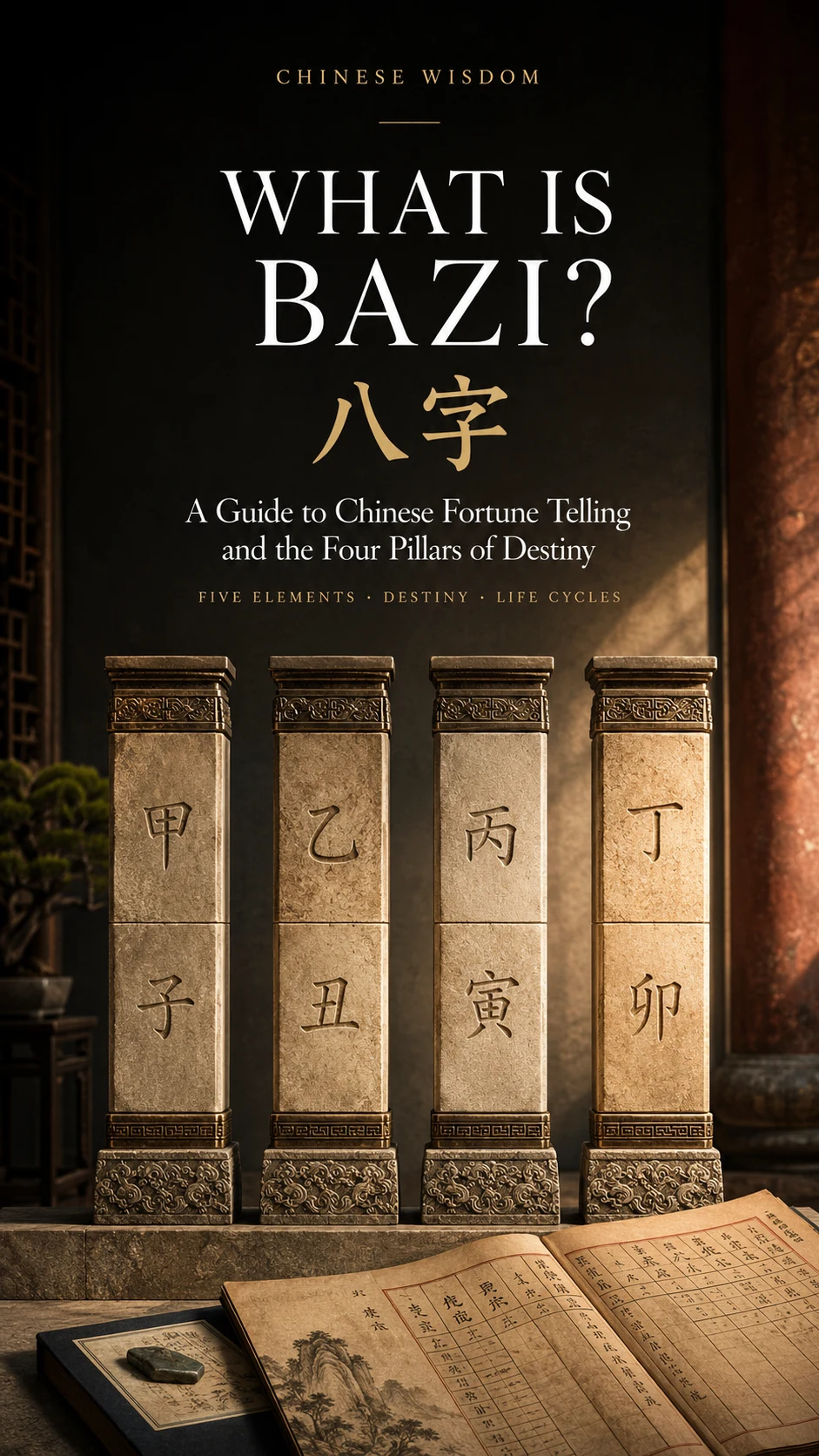
What Is BaZi? A Guide to Chinese Fortune Telling and the Four Pillars of Destiny
A clear introduction to BaZi: how the Four Pillars, Day Master, Five Elements and Luck Pillars form a traditional Chinese framework for reading a life in time.
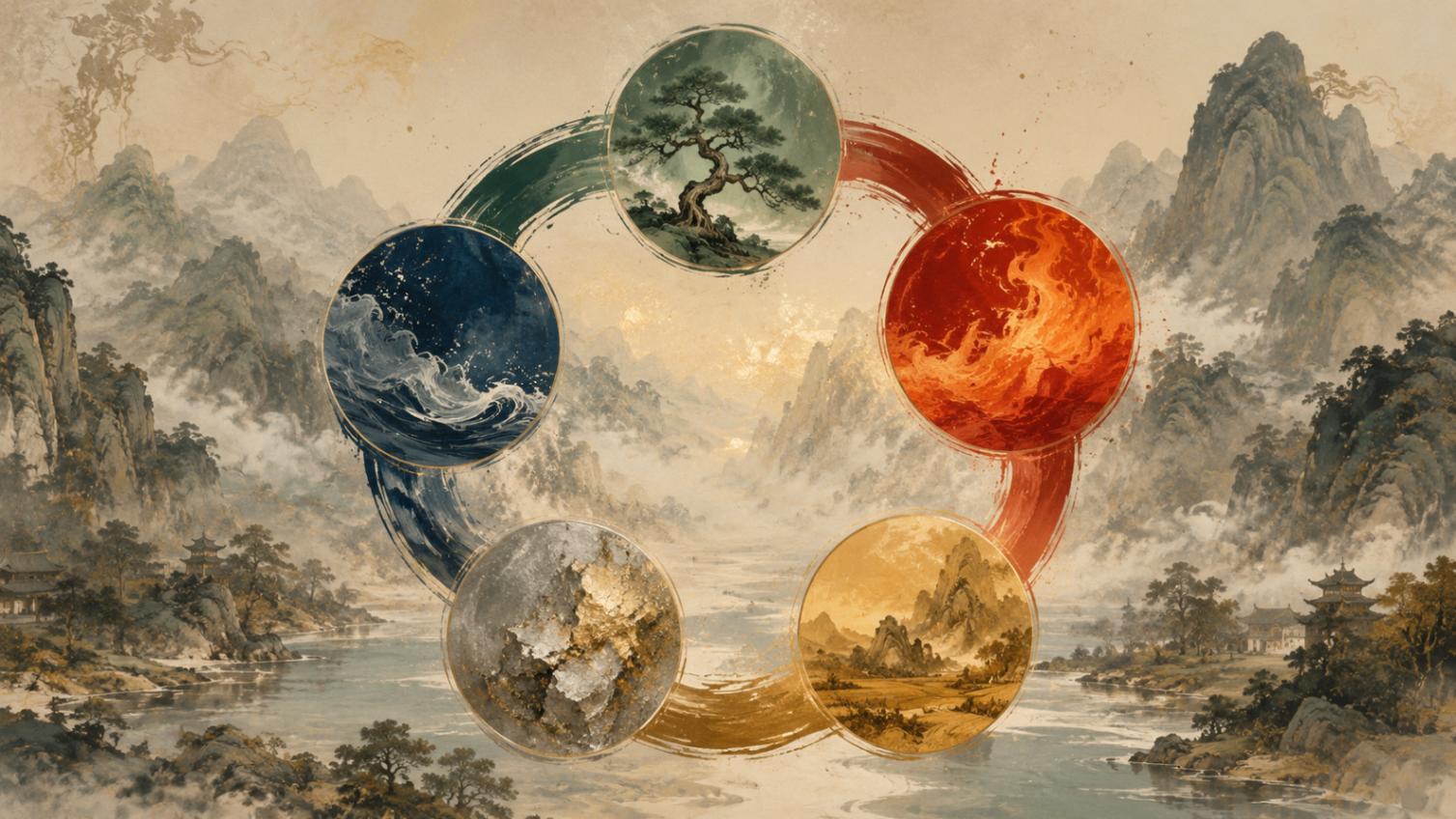
The Five Phases: What Ancient China Understood About Change That the Modern World Forgot
Wu Xing is not mysticism. It is one of history's most practical frameworks — used by emperors, physicians, and farmers for over two thousand years to understand the patterns that govern everything.
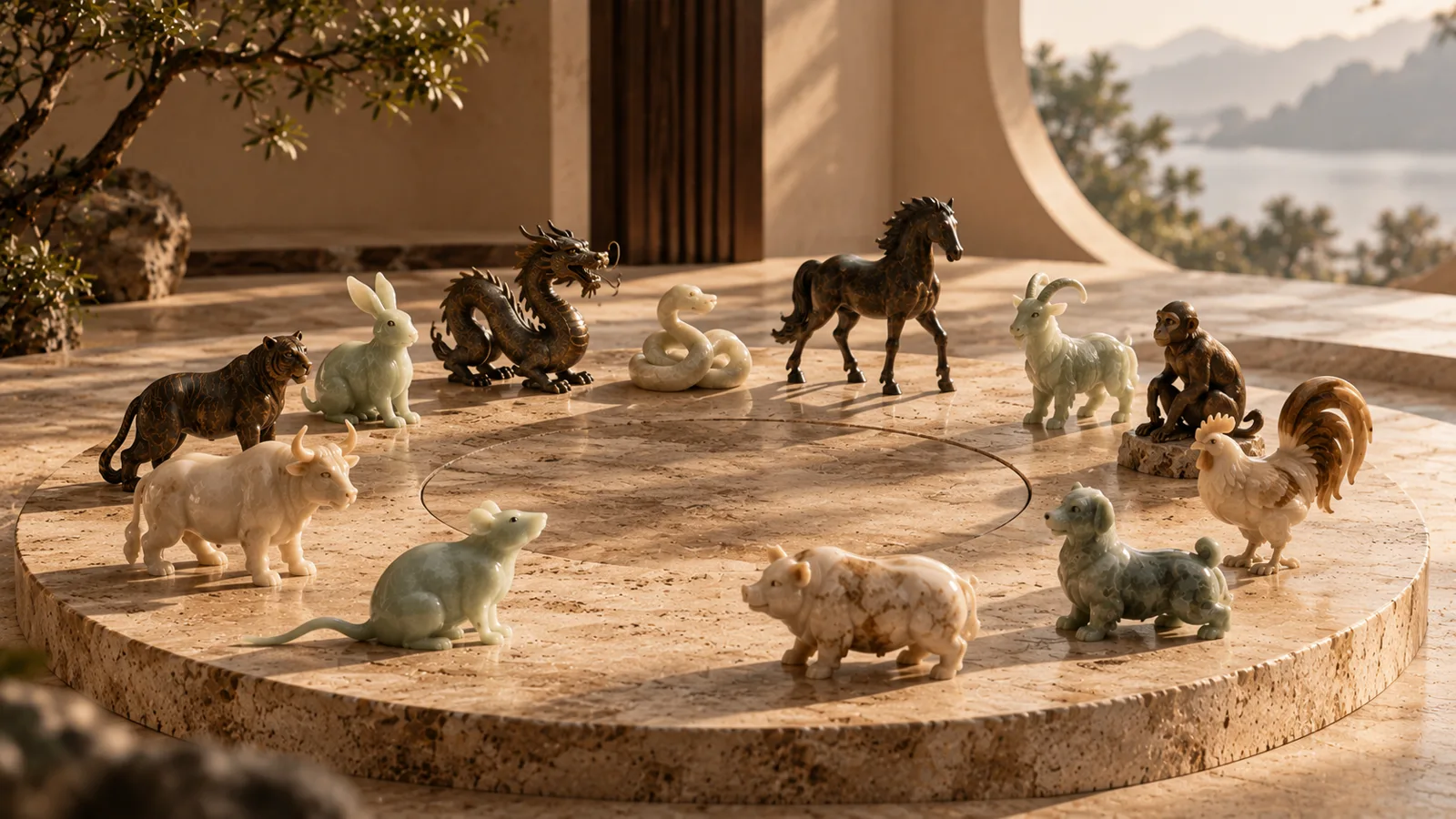
Chinese Zodiac Compatibility: A Traditional Guide to the Twelve Signs
Six Harmonies, Three Harmonies and Six Clashes: how the twelve signs traditionally relate, and why BaZi looks deeper than your birth-year animal.