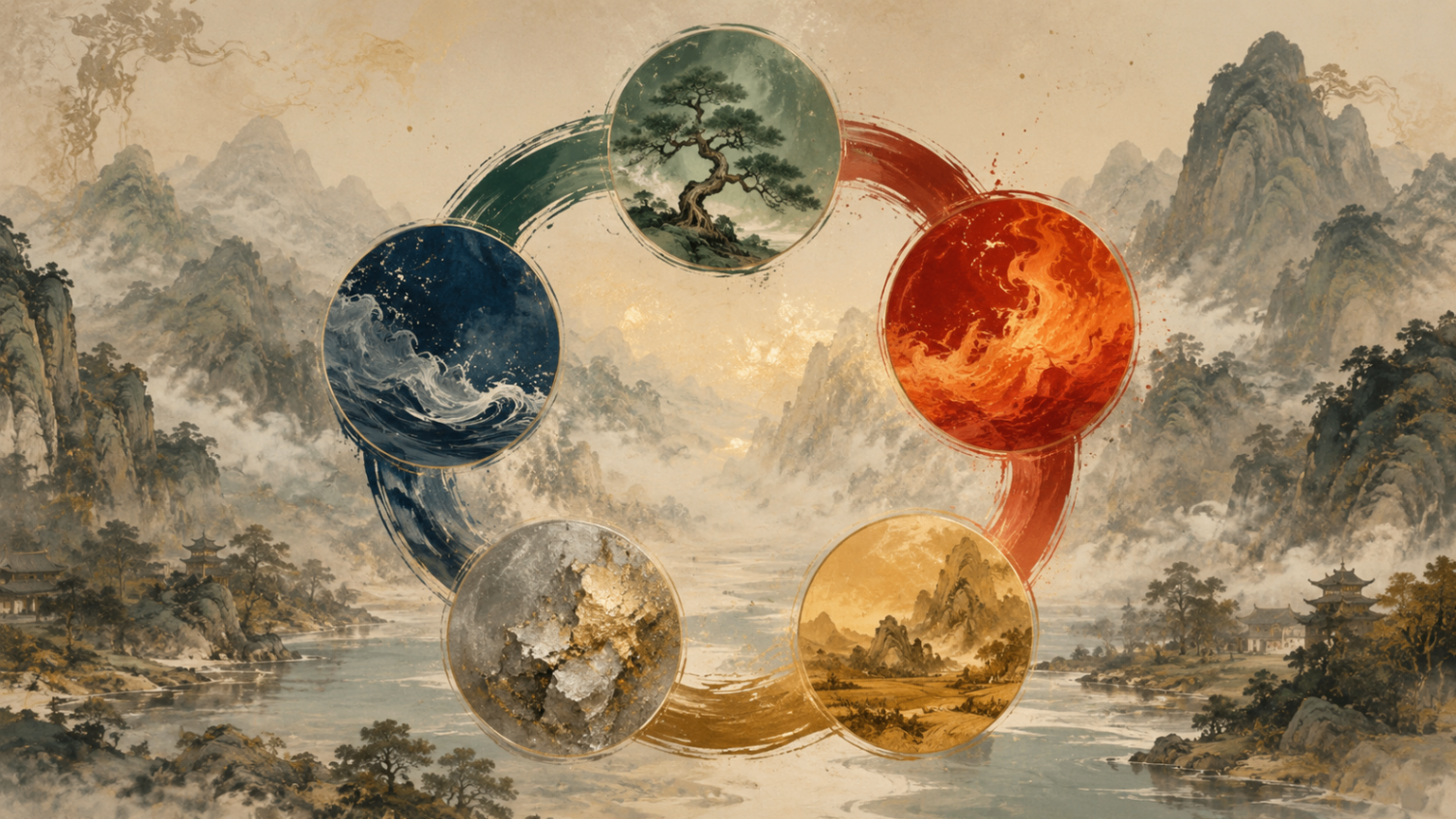
The Five Phases: What Ancient China Understood About Change That the Modern World Forgot
Wu Xing is not mysticism. It is one of history’s most practical frameworks — used by emperors, physicians, and farmers for over two thousand years to understand the patterns that govern everything.
Introduction
Why does sustained effort sometimes produce diminishing returns? Why do certain seasons of life feel expansive, while others feel like necessary retreat? Why does a project that demands constant output eventually exhaust the very resources it needs to succeed?
These questions are not new. Ancient Chinese thinkers were asking them roughly 2,300 years ago. Their answer was a framework called Wu Xing (五行) — often translated as “Five Elements,” though “Five Phases” is considerably more accurate.
Divorced from mysticism, Wu Xing emerged from the same intellectual tradition that produced early Chinese medicine, practical statecraft, and agricultural science. The philosopher Zou Yan formalized it during the Warring States period (ca. 305–240 BCE) not as a spiritual system, but as an observational one — a way of categorizing the patterns of change that repeat throughout nature, health, and human civilization. For over two thousand years, emperors used it to govern, physicians used it to heal, and farmers used it to plant and harvest.
In Chinese tradition, each of the twelve zodiac signs is associated with one of the five phases — a relationship established through the interaction of birth year, celestial stems, and earthly branches in the classical Chinese calendar. This means understanding your element is not just an intellectual exercise. It offers a framework for understanding your natural tendencies, your areas of strength, and the areas where you may benefit from intentional balance.
This article introduces each of the five phases on its own terms: what it describes, where it appears in classical thought, and what it might offer you as you navigate your own cycles of growth, effort, rest, and renewal.
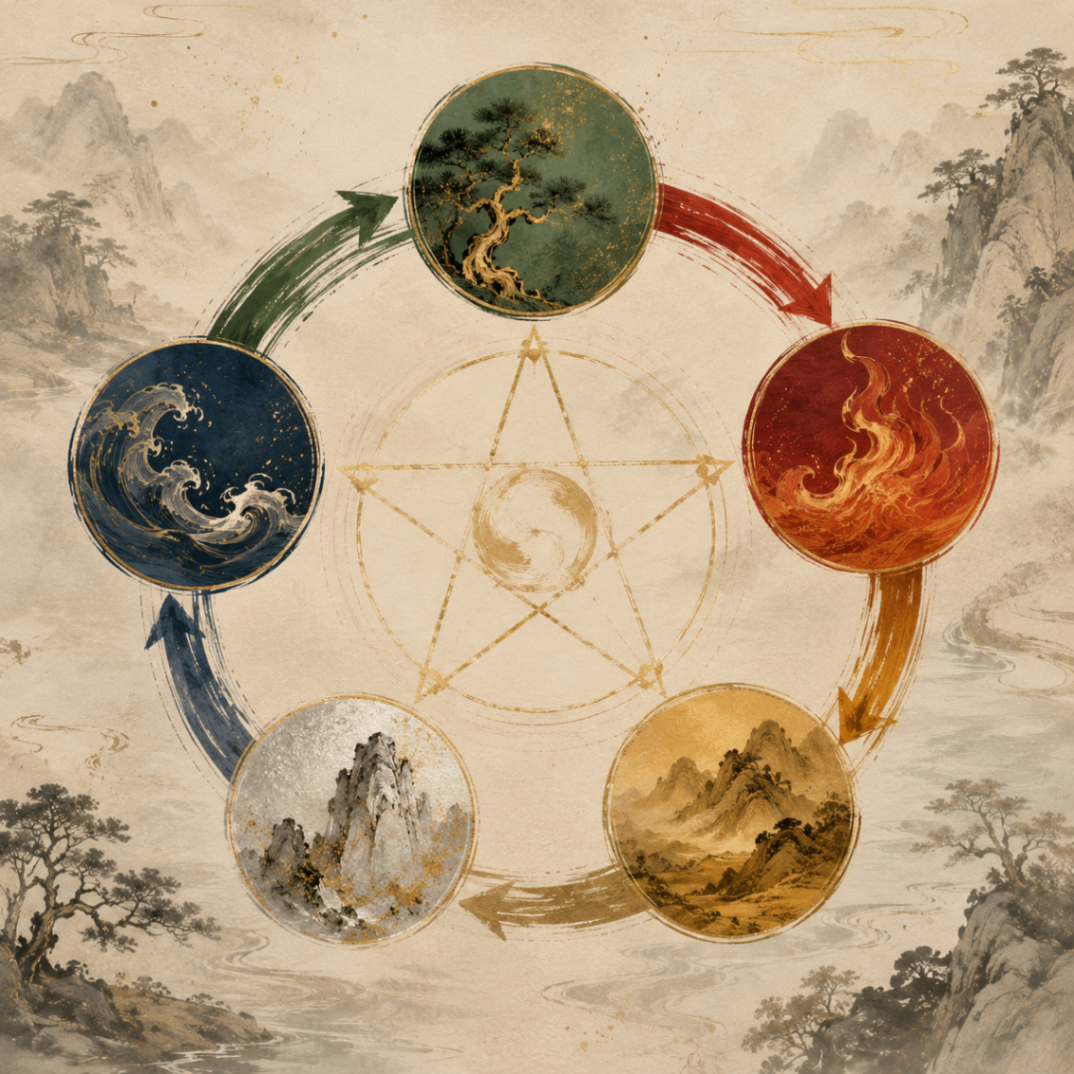
“Wu Xing is not a personality type system. It does not assign you to a permanent category. The question it asks is not ‘which element are you?’ but ‘which phase are you in — and what does this phase require of you?’”
Wood: The Phase of Beginning
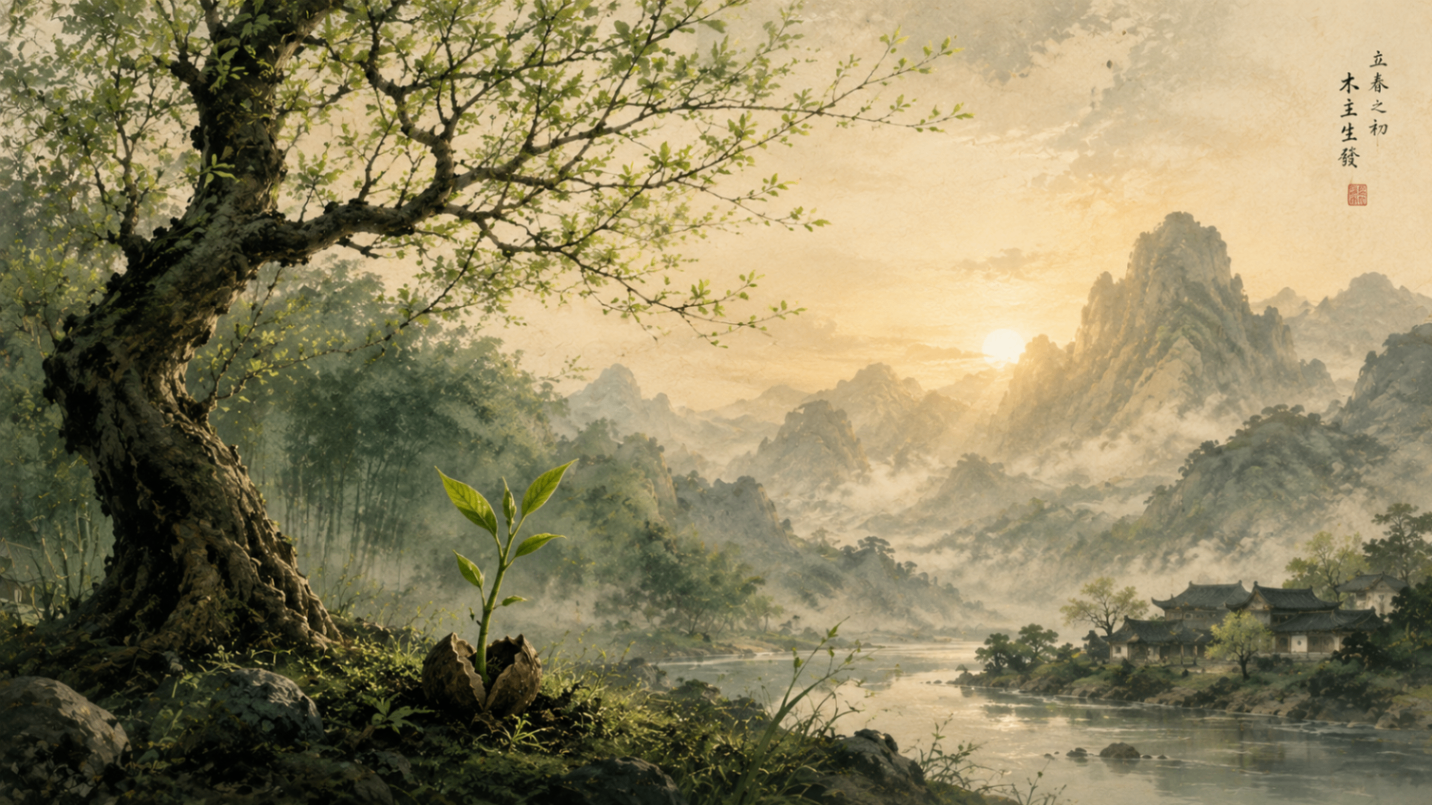
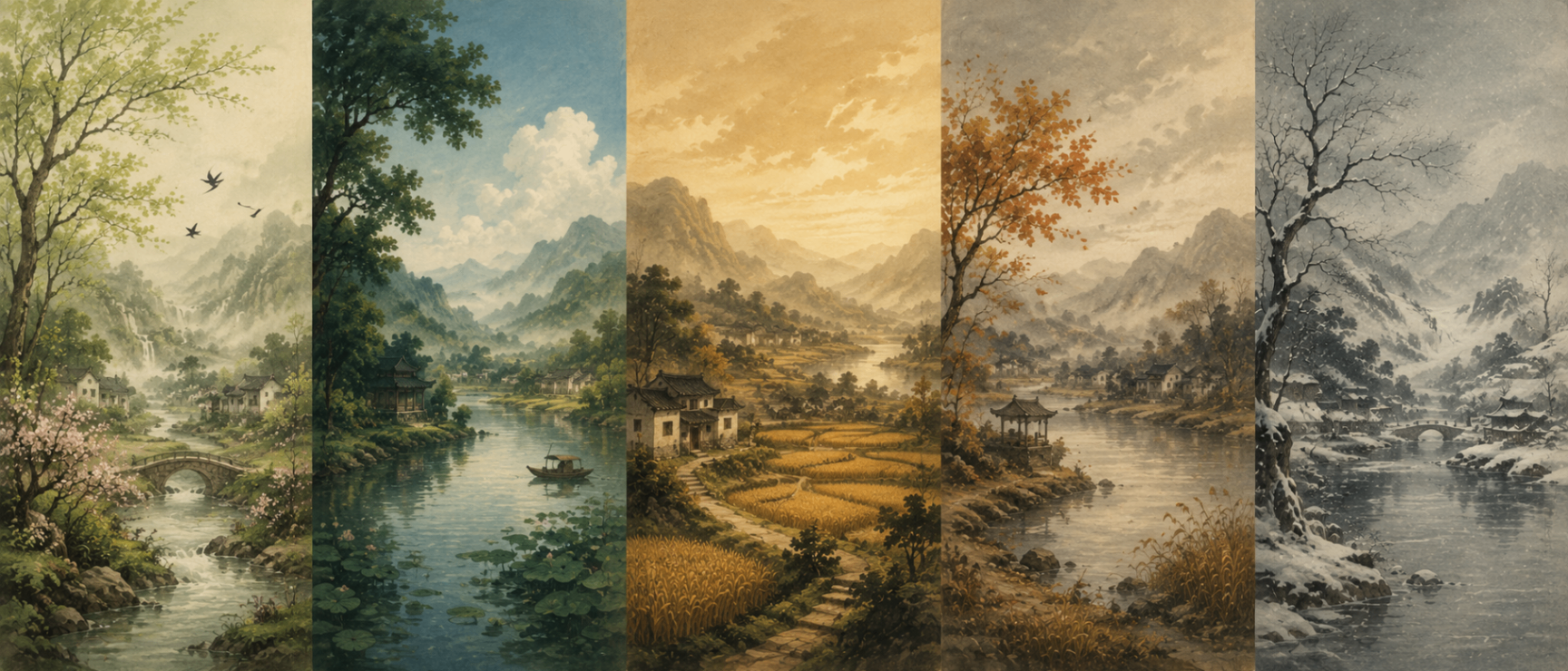
Mu (木) — Expansion. Upward movement. The force of a seed breaking through soil in early spring.
In classical Chinese thought, Wood is associated with springtime and dawn — the moment potential begins to move. It represents the initial pressure of growth: not the tree itself, but the tension of a drawn bow before release. It is the quality of something insistent and alive that cannot be contained.
Wood appears in the Huangdi Neijing (Yellow Emperor’s Inner Classic), the foundational text of Traditional Chinese Medicine, where it governs the Liver — the organ associated with the smooth flow of energy through the body and the capacity to plan, initiate, and move forward. When Wood energy is balanced, there is vision. There is momentum. There is the clarity of direction. When it is blocked or depleted, stagnation sets in.
Wood is not about explosive action. It is about the quiet but insistent force of something beginning to grow. It is the energy of the entrepreneur who cannot help but start something new, the artist who must create, the person who feels most alive when moving toward possibility.
In Chinese tradition, the zodiac signs most closely associated with Wood energy include the Tiger and Rabbit — animals understood as nimble, forward-moving, and driven by the impulse to grow. If this phase resonates strongly with how you approach life, your element profile may tell you why.
Fire: The Phase of Peak
Huo (火) — Maximum activity. Outward radiance. Illumination at its brightest.
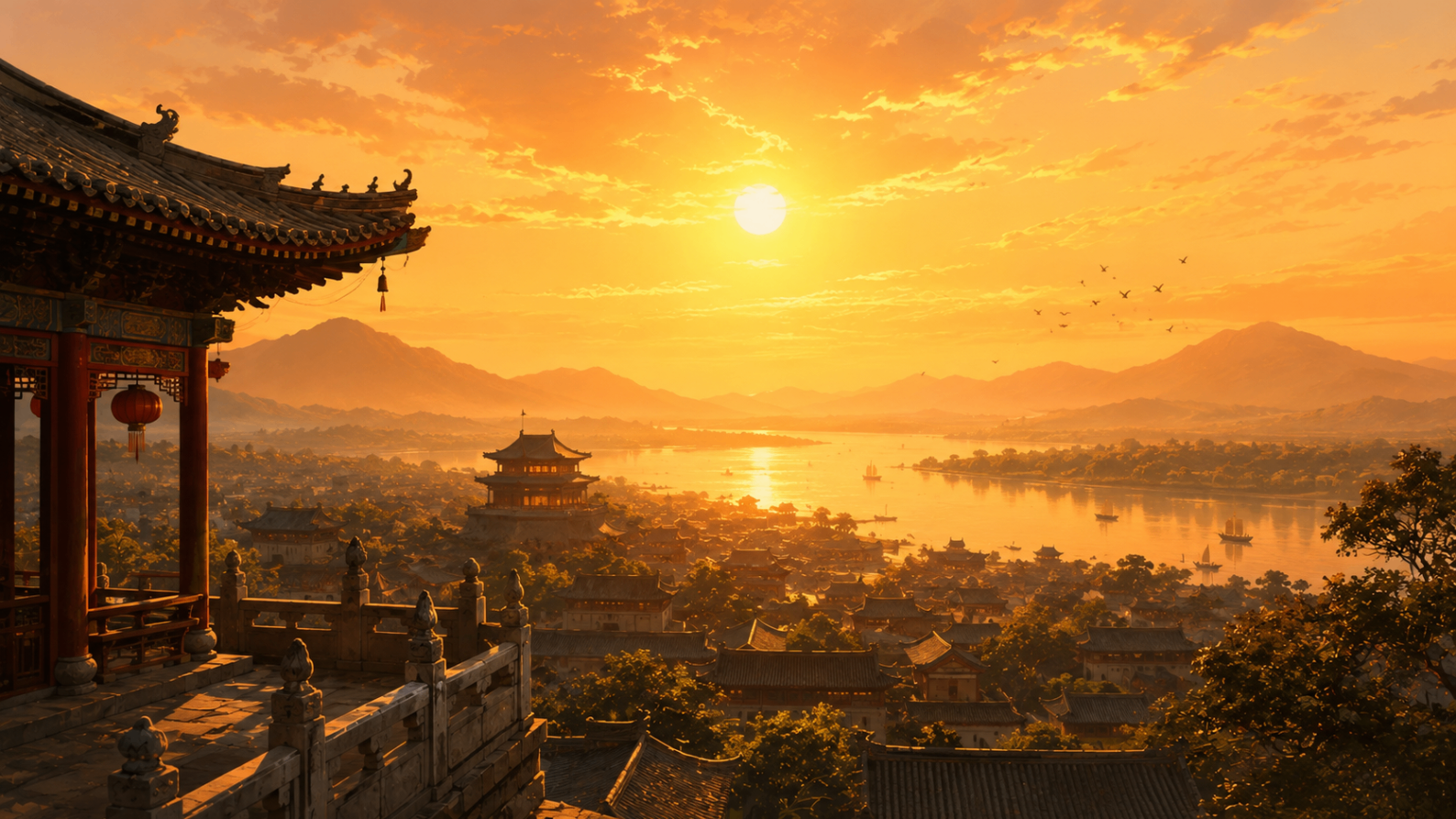
Fire is associated with summer and midday. It is the phase of full expression: ideas made visible, effort made public, energy at its most expansive. It is the meeting, the performance, the moment when what has been planned in Wood becomes undeniably real.
In classical Chinese medicine, Fire governs the Heart — understood not merely as a pump, but as the seat of consciousness, warmth, and felt experience. A person in whom Fire is strong radiates presence. They create connection. They bring things to completion. They generate the momentum that carries others forward.
Fire is the phase most celebrated in modern productivity culture. We are told to ship, to launch, to network, to perform, to maintain maximum output. But classical Chinese thought recognized something that hustle culture tends to overlook: Fire is the most energetically demanding phase. It depletes most quickly if sustained without replenishment. Many people spend their entire professional lives trying to maintain a permanent Fire state — always producing, always visible, always at peak output. The Wu Xing framework gently but clearly argues this is neither possible nor desirable.
In the zodiac, Fire is associated with the Horse and the Snake — animals understood as charismatic, expressive, and naturally inclined toward visibility and connection. Fire-dominant individuals often excel in moments that demand presence and energy, but may struggle with pacing and sustainability.
“Fire is the most energetically demanding phase. Many people spend their entire professional lives trying to maintain a permanent Fire state. The Wu Xing framework gently but clearly argues this is neither possible nor desirable.”
Earth: The Phase of Centering
Tu (土) — Stabilization. Nourishment. The transitional center.
Earth is the most unusual of the five phases. It does not belong to a single season. Classical texts associate it with the transitional periods between all four seasons — the turning points when one phase gives way to the next. It is the ground beneath every change.
In classical Chinese medicine, Earth governs the Spleen and Stomach — the organs responsible for taking in, processing, and distributing nourishment. It represents the capacity to digest not just food, but experience, relationships, and ideas. It is the phase of consolidation: building the systems, routines, and relationships that allow everything else to function.
Earth energy appears in the work that doesn’t look like work. Building a reliable routine. Nurturing a team. Creating the infrastructure that allows a growing organization to continue growing without fracturing. Listening to a friend through a difficult transition. The Earth phase is undervalued in cultures that prize visible output over sustainable foundations. Yet without it, Wood’s growth becomes chaotic, Fire’s energy becomes destructive, and nothing lasting survives.
In the zodiac, Earth is associated with the Dragon, Ox, Goat, and Dog — signs understood in classical tradition as stabilizing forces in any group. These are the signs that create belonging, that remember what matters, that hold things together through their steadiness.
Metal: The Phase of Refinement
Jin (金) — Contraction. Distillation. Letting go of what is no longer essential.
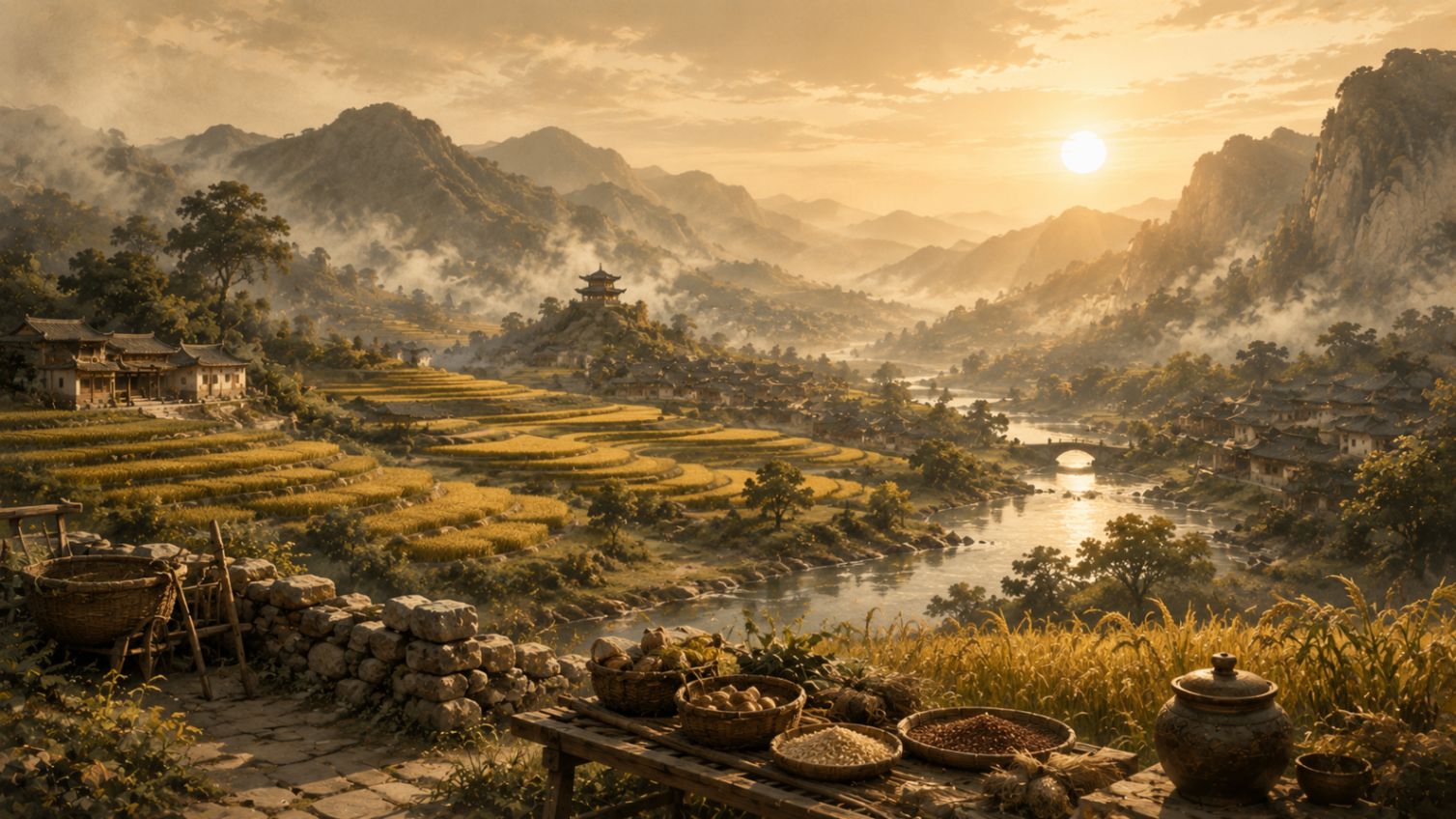
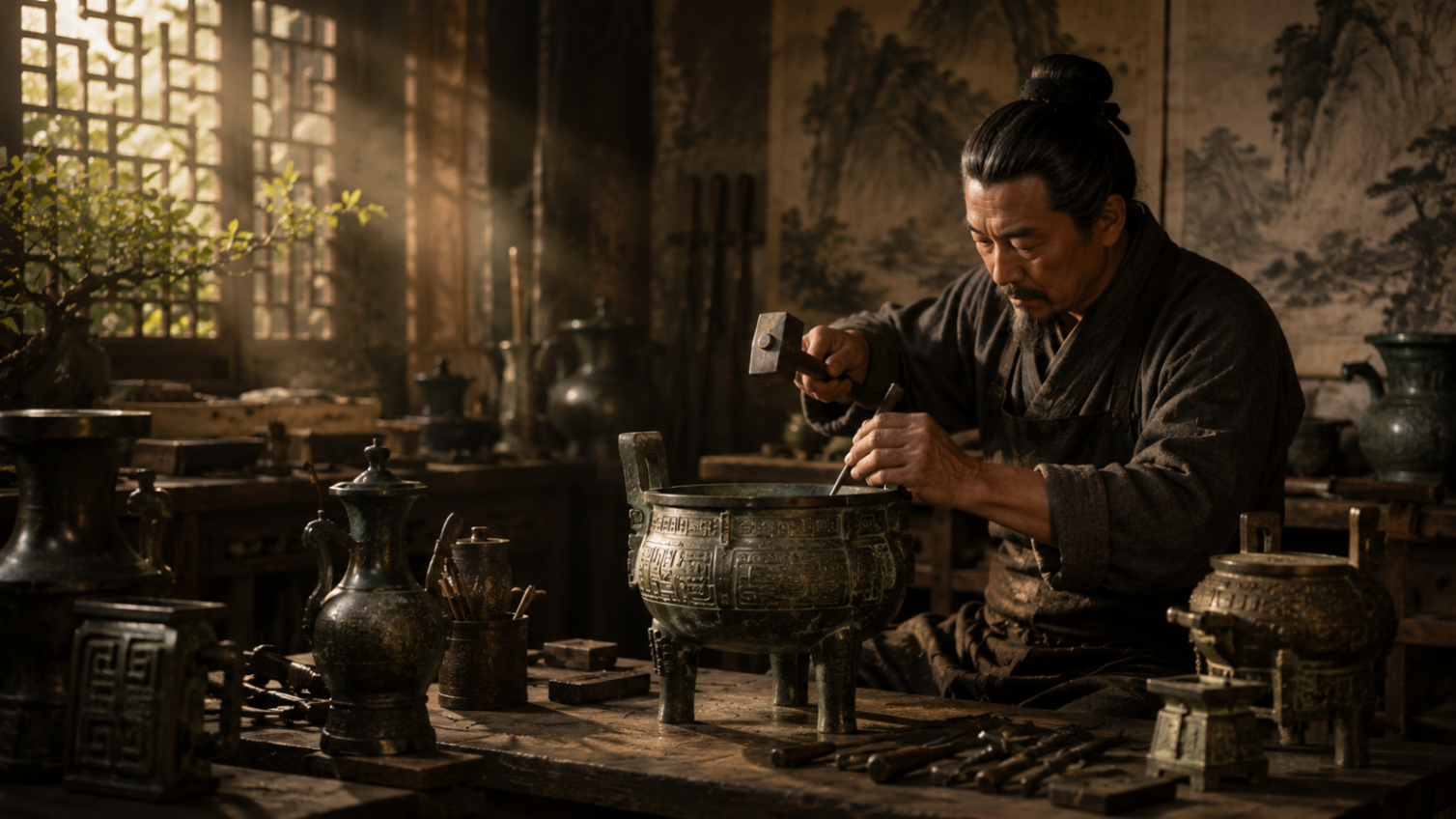
Metal is the phase of the harvest. Not accumulation, but the careful selection of what is worth keeping. Historically, it is associated with autumn and dusk. The classical image is the blacksmith: fire and force applied not to create more, but to refine what already exists into something precise and enduring.
In classical Chinese medicine, Metal governs the Lungs — the organs responsible for taking in what is needed and releasing what is not. The Lungs breathe in; they also exhale. Metal energy is what allows someone to edit a manuscript ruthlessly, to recognize that a season has ended and resist the urge to prolong it unnecessarily, to know that not everything grown in Wood and expressed in Fire needs to be carried forward.
Metal introduces the concept of appropriate boundaries. It is the intelligence of the experienced editor, the skilled strategist, the person who knows when to stop. It is the energy of refinement, precision, and the understanding that quality often means elimination.
In the zodiac, Metal is associated with the Monkey and Rooster — signs often described in classical texts as driven by standards and precision. These are animals known for their discernment, their ability to see what is essential and cut away what is not.
“Metal introduces the concept of appropriate boundaries. It is the intelligence of the experienced editor, the skilled strategist, the person who knows when to stop.”
Water: The Phase of Stillness
Shui (水) — Rest. Latent potential. Deep reserves.
Water is the phase of maximum Yin: quiet, downward, still — and utterly essential. It is associated with winter and midnight. In classical Chinese medicine, Water governs the Kidneys — understood not as simple organs but as the storehouse of the body’s deepest vitality and constitutional reserves.
Water does not mean inactivity. It means incubation: the deep, invisible work of rest, reflection, and preparation that makes the next cycle of Wood growth possible. Water takes the shape of its container — a classical observation about adaptability. It does not resist; it finds the path.
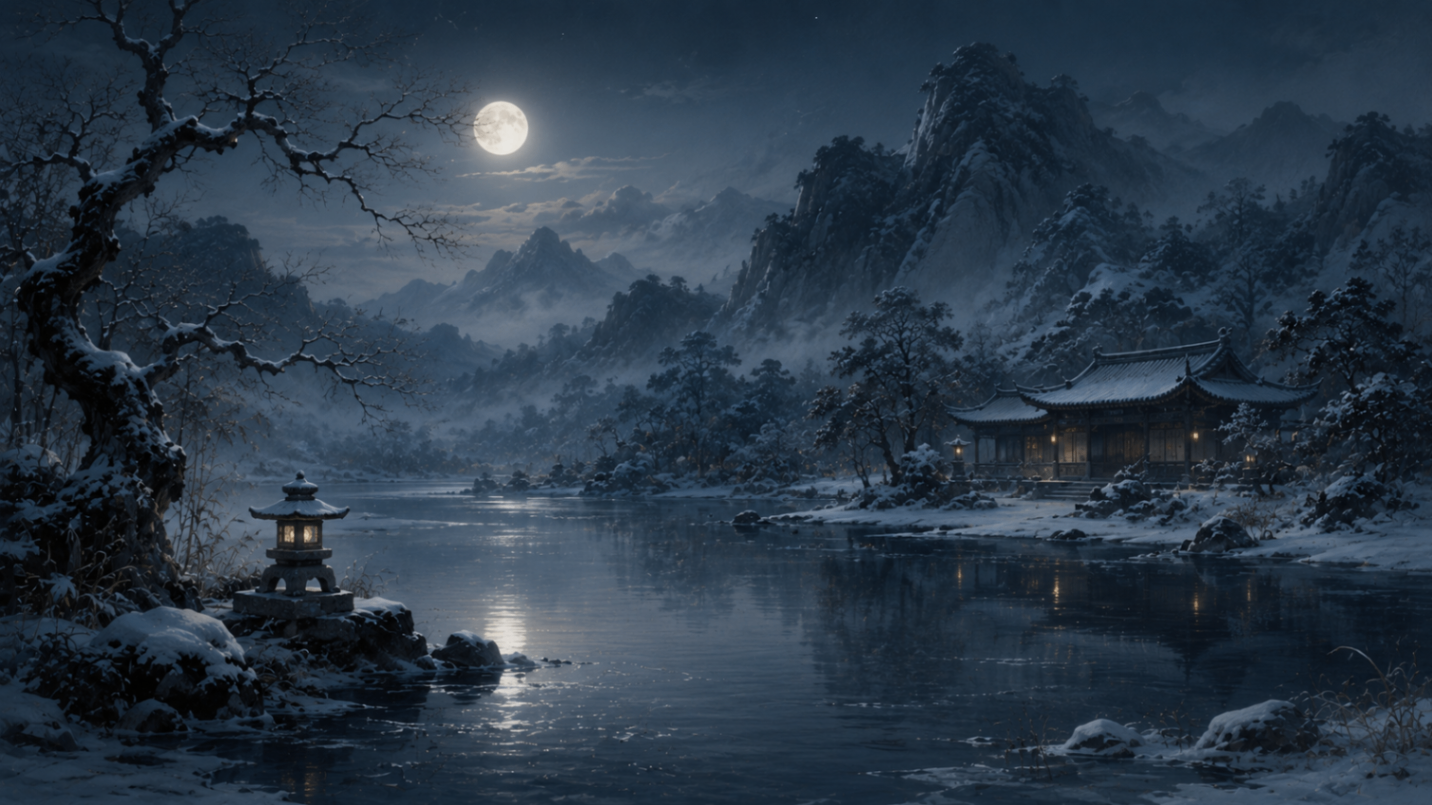
In a culture that rewards constant output, Water is the most difficult phase to honor. Retreating is seen as weakness. Rest is reframed as laziness. Reflection sounds like avoidance. But the Wu Xing framework is unambiguous: without genuine rest and withdrawal, the resources for the next expansion simply do not exist. The seed requires winter before it can become the Wood of spring.
In the zodiac, Water is associated with the Rat and the Pig — signs associated with depth, resourcefulness, and the capacity to hold a great deal beneath a calm surface. Water-dominant individuals often possess inner reserves that others cannot see — quiet strength, hidden depth, the ability to move through difficulty with grace.
What This Framework Offers You
Wu Xing is not a personality type system. It does not assign you to a permanent category, as if you are “a Wood person” for life. Its insight is more nuanced: all five phases are required — in nature, in health, in a well-lived life. The question it asks is not “which element are you?” but rather “which phase are you in — and what does this phase require of you?”
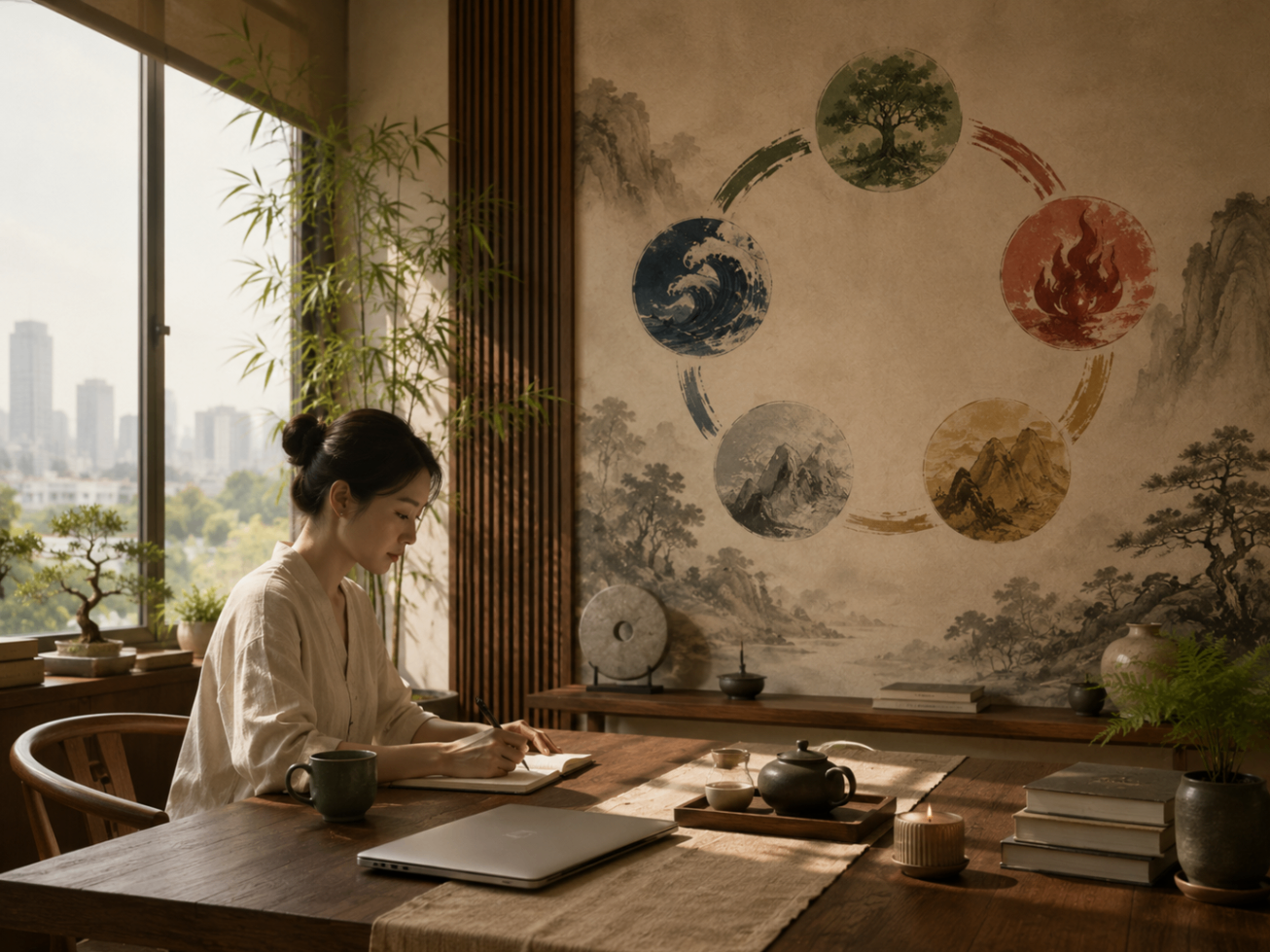
In personal rhythm: Modern life disproportionately rewards Fire and undervalues Water. We celebrate the hustle and pathologize rest. Wu Xing offers a vocabulary for recognizing when you are depleted, when you are overextended, when you are in need of a phase your culture doesn’t celebrate — and permission to enter it anyway. If you are burned out, you need Water. If you are stuck, you need Wood. If you have built something but it is fragile, you need Earth.
In project and professional life: Different stages of any meaningful work correspond naturally to the five phases. Early brainstorming and vision-setting is Wood. Launching and scaling is Fire. Building sustainable systems and culture is Earth. Quality assurance, editing, and streamlining operations is Metal. Strategic retreats, deep research, and allowing ideas to incubate is Water. Recognizing where a project sits in the cycle can clarify what it actually needs next — not more effort (Fire), but perhaps consolidation (Earth), honest editing (Metal), or a period of reflection (Water).
In understanding others: People naturally tend toward certain phases in their approach to work and life. A Metal-oriented collaborator brings precision and discernment. A Wood-oriented colleague brings initiation energy and vision. A Fire person creates momentum. An Earth person creates belonging. A Water person brings depth and wisdom. Neither any single phase nor any single person is more valuable; all are necessary at different moments.
“A Metal-oriented collaborator brings precision and discernment. A Wood-oriented colleague brings initiation energy and vision. Neither any single phase nor any single person is more valuable; all are necessary at different moments.”
The Cycle Continues
Wu Xing endured for over two thousand years not because it was mysterious, but because it was useful. Emperors used it to govern. Physicians used it to heal. Farmers used it to plant and harvest. It worked then because it described something true about the world. It works now because that truth has not changed.
What ancient Chinese thinkers understood — and what modern readers are increasingly rediscovering — is that the goal is not to sustain a single state indefinitely. The goal is to move through all five phases with awareness, returning to each in its season. The goal is not to be stuck in one element, but to be fluid enough to access all five when life requires them.
The energy of Wood — the capacity to begin, to see possibility, to push forward — is precious. But without the centering of Earth, it becomes chaotic. Without the refinement of Metal, it becomes scattered. Without the rest of Water, it becomes depleted. Fire is beautiful, but without Metal’s discernment, it burns everything. Every phase needs every other phase.
Discover Your Element
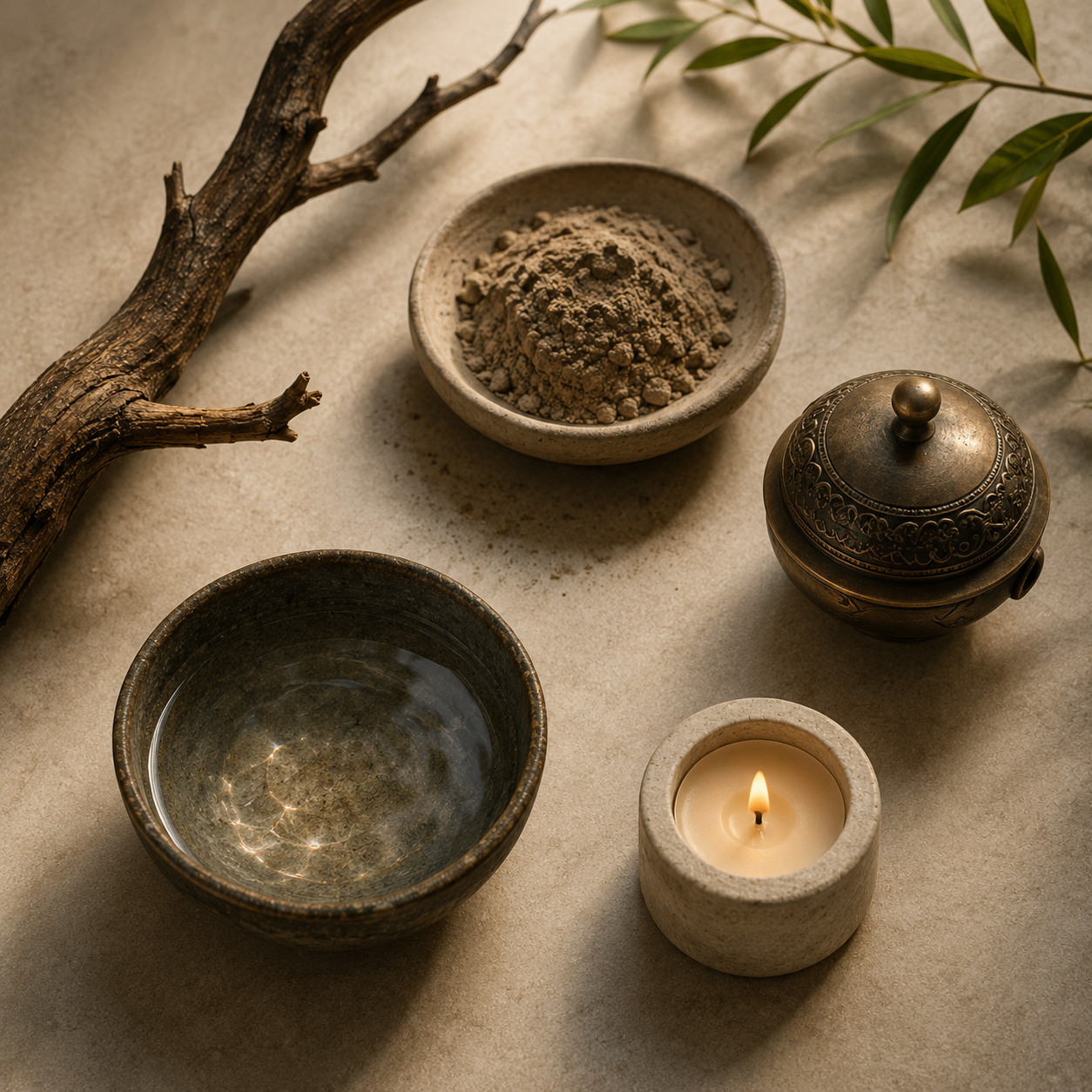
In Chinese tradition, your birth year is associated with one of the five phases — a relationship that shapes how your zodiac sign’s energy tends to move through the world. By now, you have a working understanding of all five. And if you would like to discover which element your zodiac sign carries, our two-minute quiz will give you a personalized reading of what that might mean for how you approach work, relationships, and personal growth.
See your own Five Elements balance
Your birth date, hour and place reveal the full distribution of the five phases in your chart.
Get your full Five Elements reading →Recommended Products
A small selection of pieces from the YukDao house that read alongside this essay.
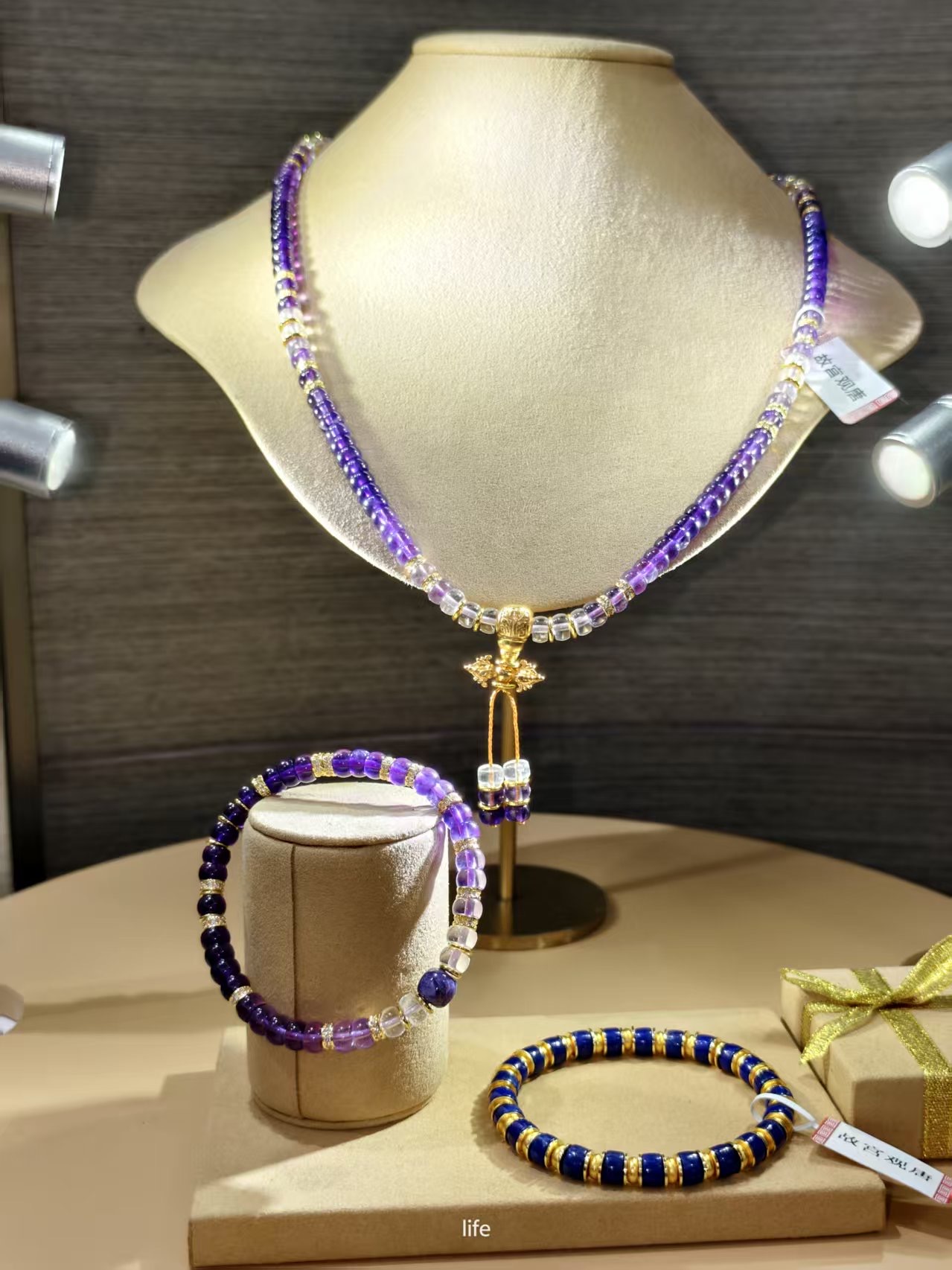
Amethyst Harmony Bracelet
A double strand of graduated amethyst and clear quartz, finished with a hand-knotted vajra clasp.
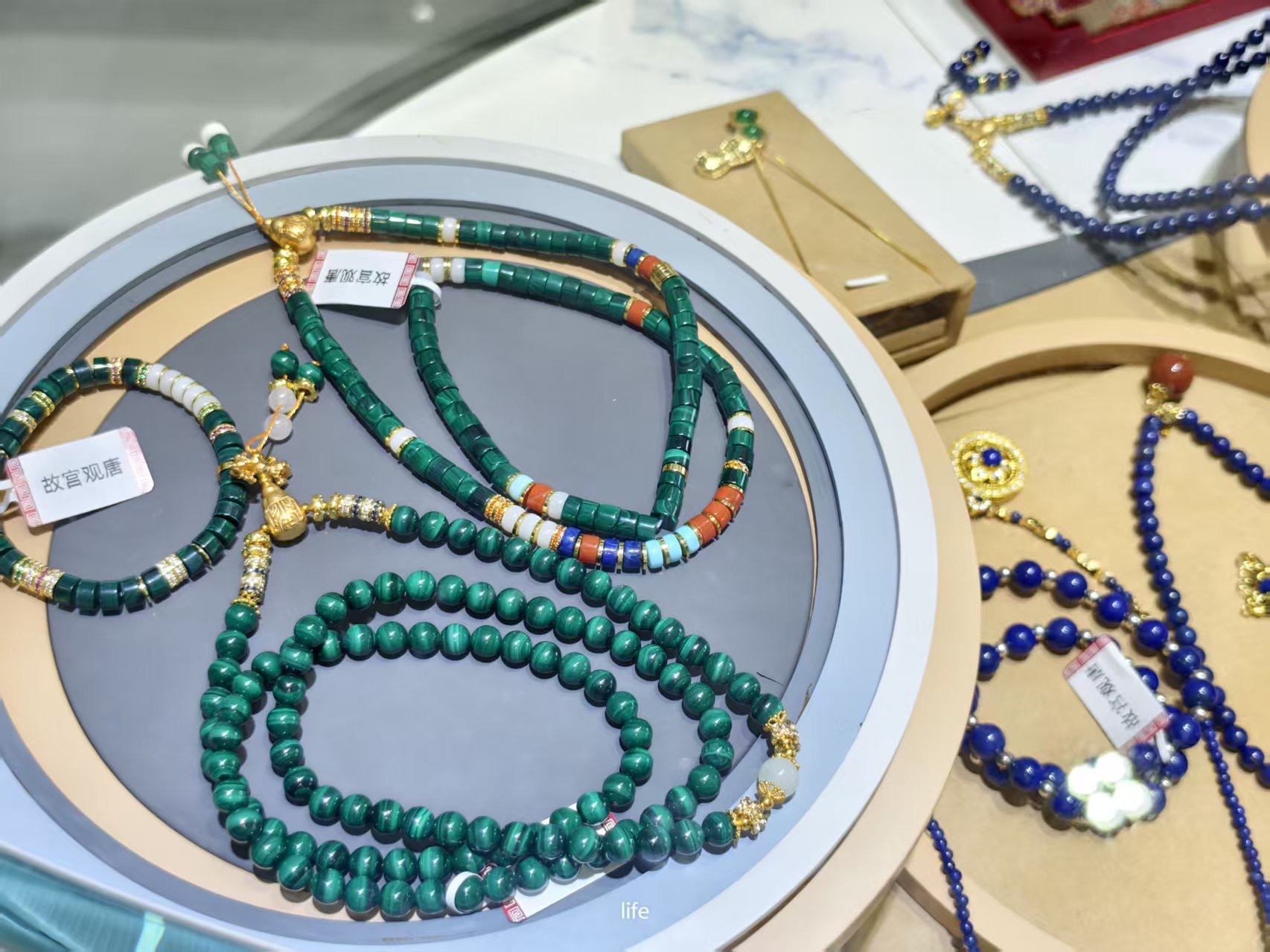
Malachite Guardian Bracelet
A long meditation strand in banded malachite, accented with white jade and carnelian counters.
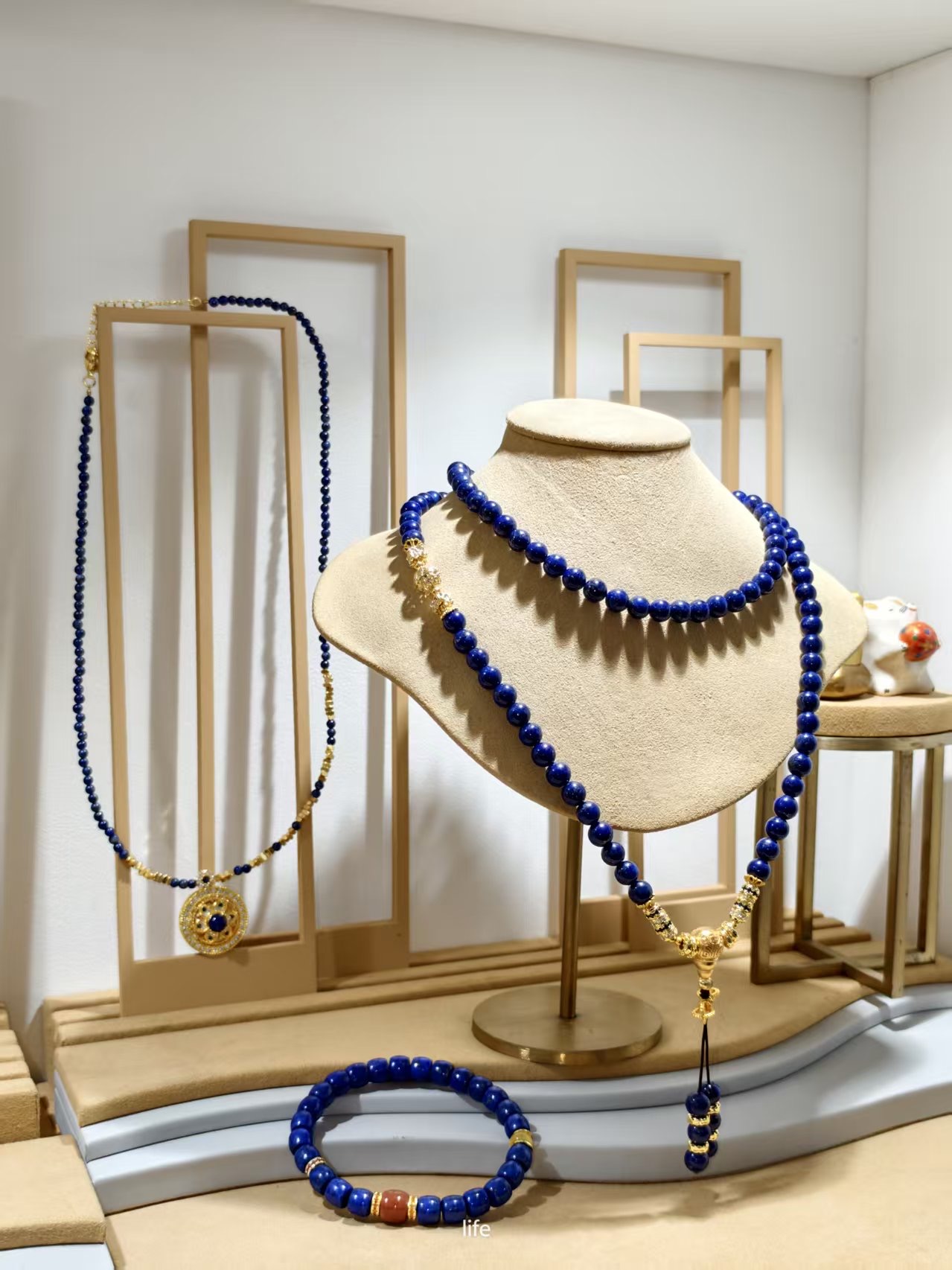
Lapis Wisdom Bracelet
A long mala-form necklace in deep Afghan lapis, anchored by a hand-chased gold counter-bead.
- Five Elements
- Wu Xing
- Chinese Philosophy
- Chinese Wisdom
- Wood
- Fire
- Earth
- Metal
- Water
Related Articles
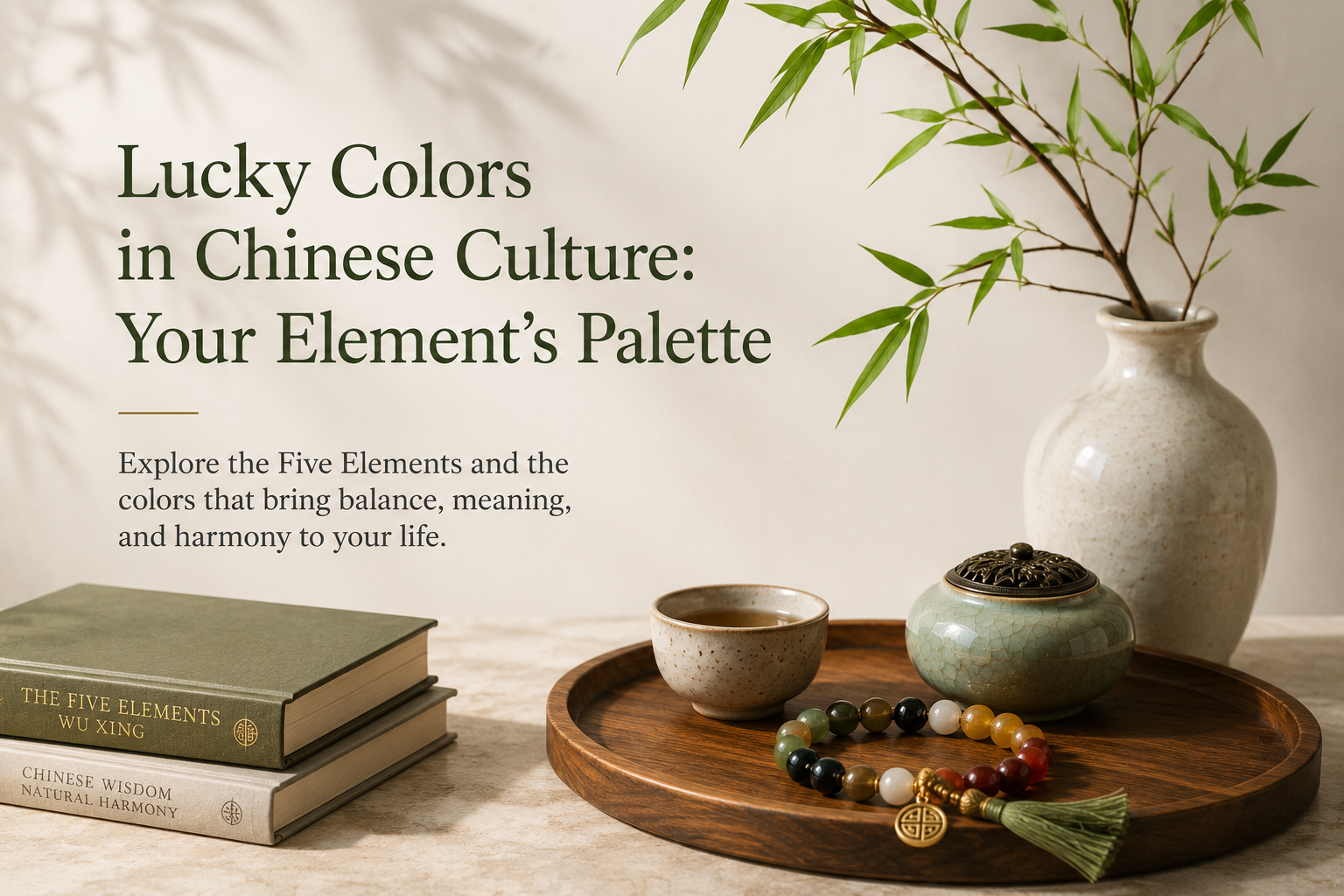
Lucky Colors in Chinese Culture: Your Element's Palette
In Chinese thought, color is not decoration. It is a structured language — a way of describing the natural forces that shape a season, a direction, a temperament, or a home.
The Hill With Two Sides: What Yin and Yang Actually Mean
Most people have encountered the symbol their entire lives — but few have been told where it actually comes from.
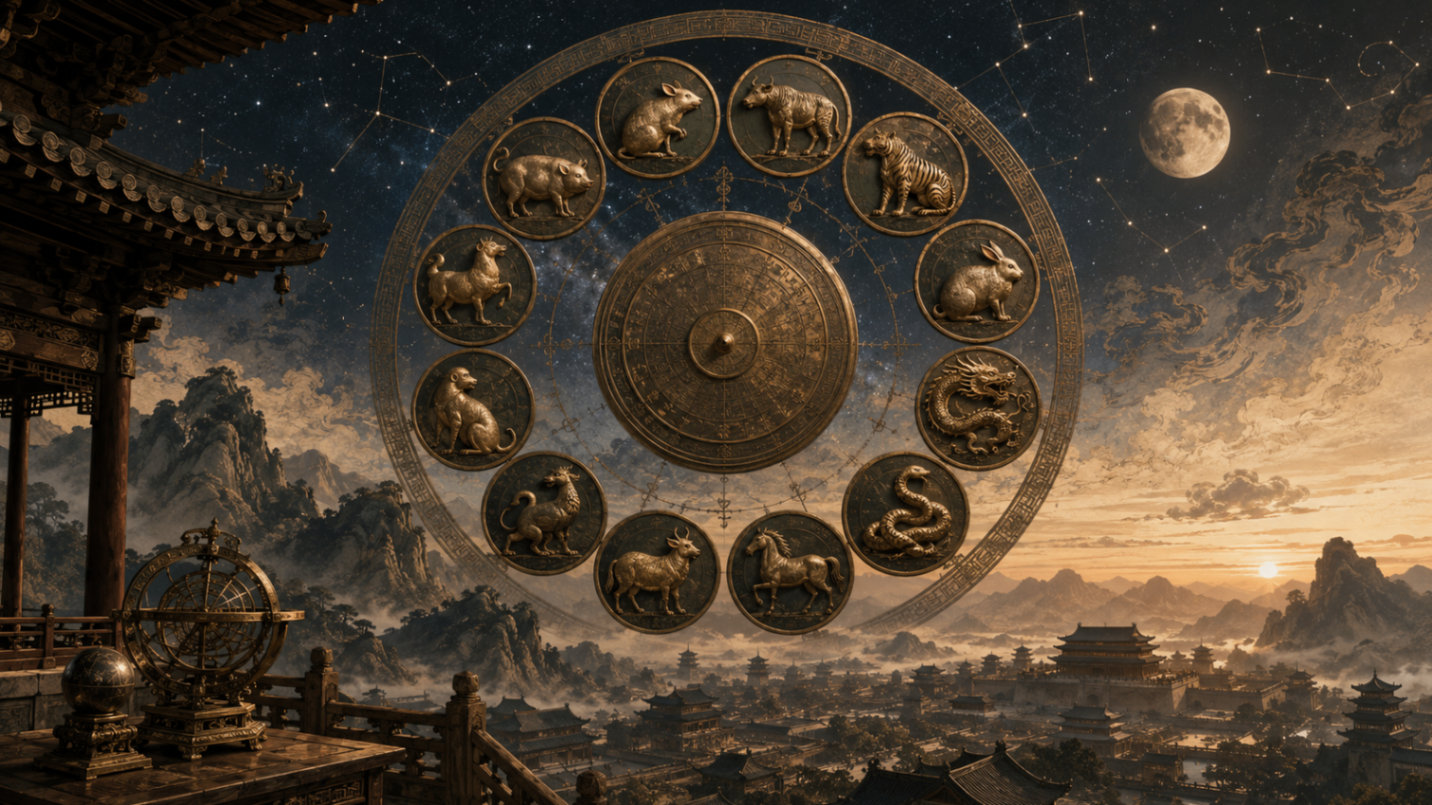
Shengxiao: A Serious Introduction to the Chinese Zodiac
Most people could tell you their Chinese zodiac animal. Far fewer could tell you where the system actually came from, how it works in full, or why it continues to shape social dynamics, birth planning, and commercial culture across Asia today.