氣
Qi
Movement & Flow
Qi is a foundational concept in Chinese thought. In Feng Shui, it provides a way of thinking about movement, connection and the relationship between people and their surroundings.
Explore the traditional Chinese principles of space, direction and the Five Elements, and discover thoughtful ways to bring greater balance to the places where you live and work.
Explore Feng Shui ↓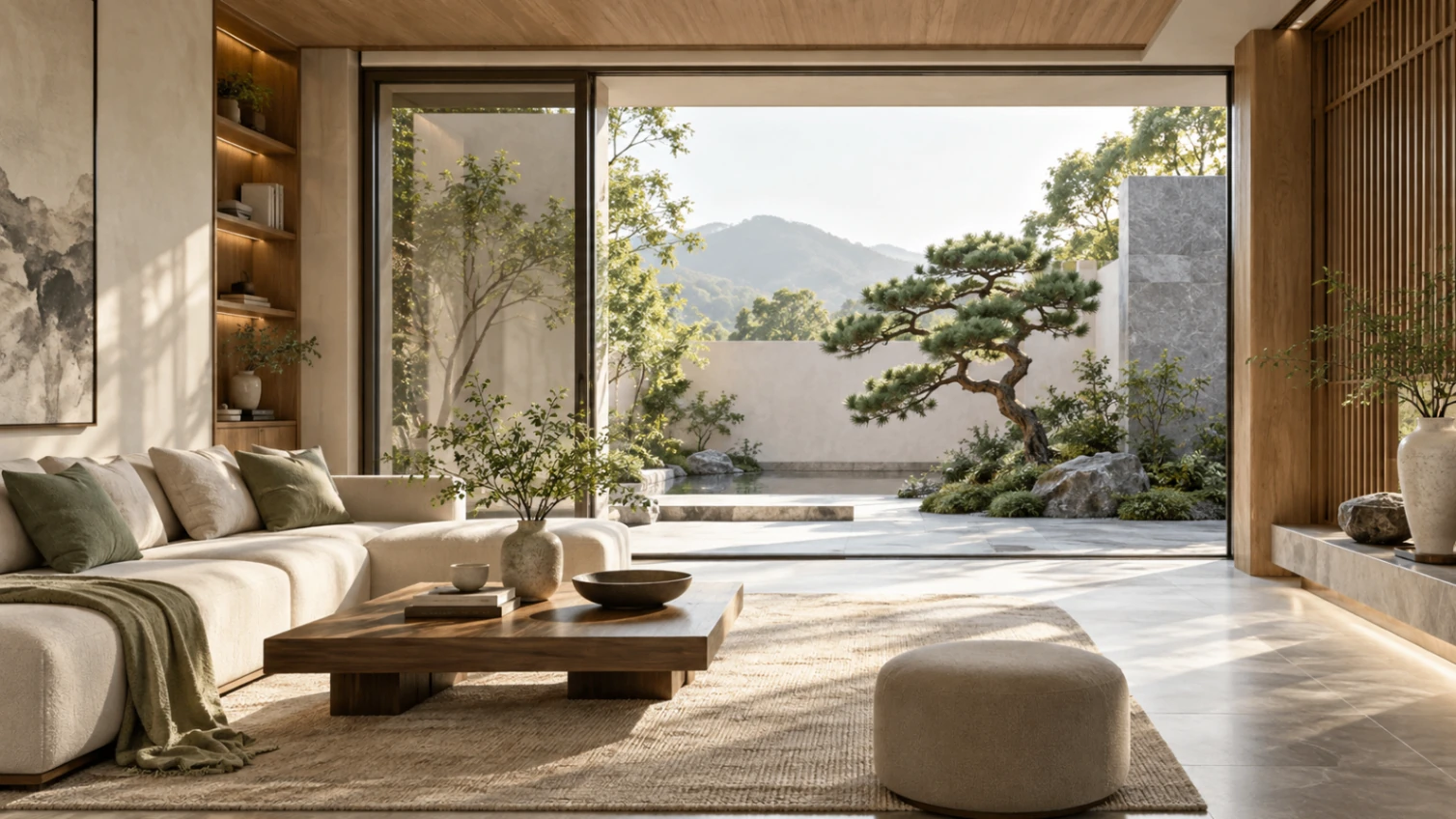
Feng Shui, 風水, is a traditional Chinese practice concerned with the relationship between people and the environments they inhabit. Its principles consider qualities such as orientation, movement, balance and the interaction between natural forces within a space.
Rather than treating Feng Shui simply as a collection of rules about where objects should be placed, YukDao explores the ideas and cultural frameworks behind the practice.
Movement & Flow
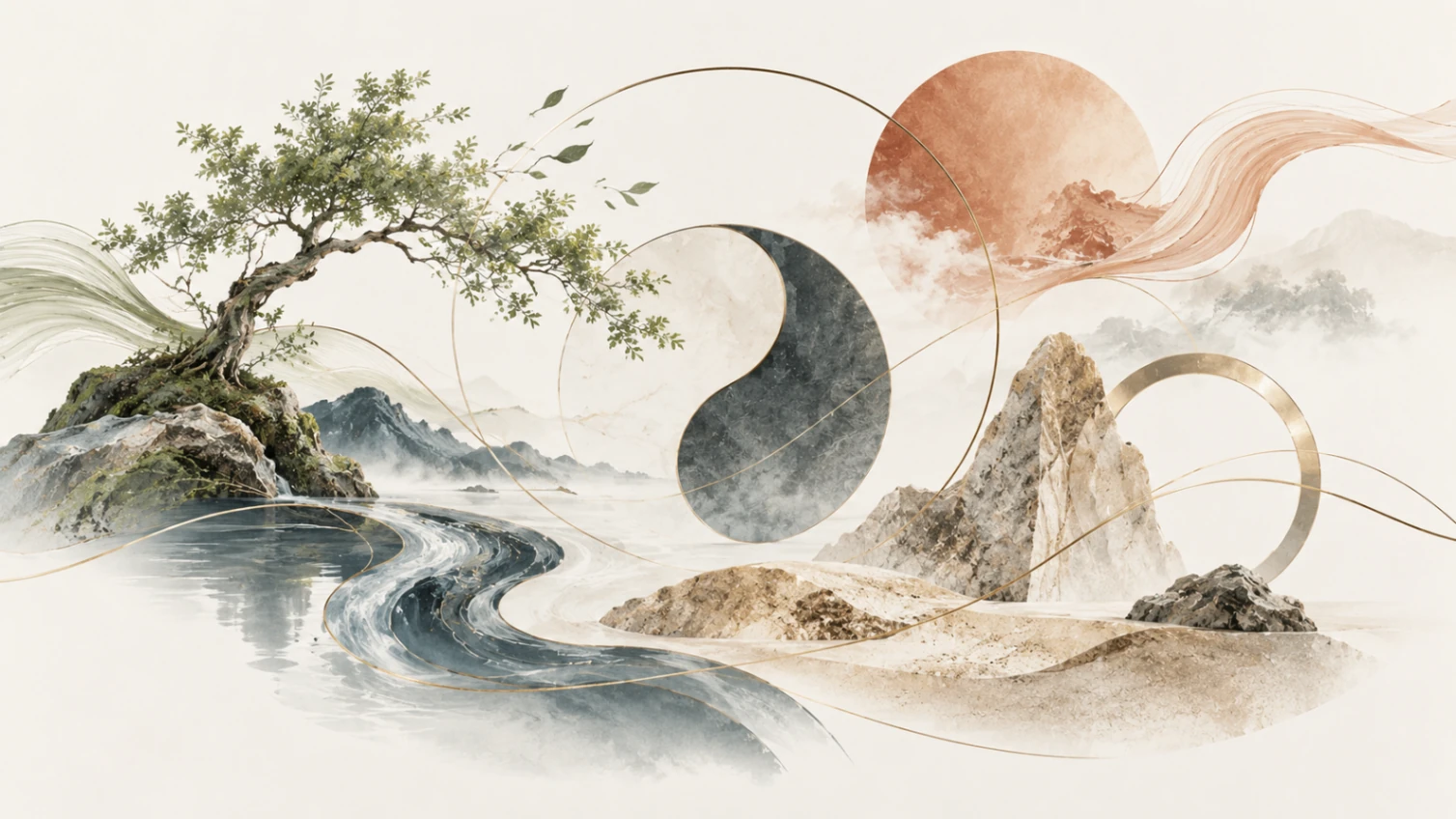
Qi is a foundational concept in Chinese thought. In Feng Shui, it provides a way of thinking about movement, connection and the relationship between people and their surroundings.
Balance & Relationship
Yin and Yang describe complementary qualities rather than simple opposites. Light and shade, activity and rest, openness and enclosure can all contribute to the character of a space.
Patterns & Transformation
Wood, Fire, Earth, Metal and Water form the Five Elements, or Five Phases. Their relationships provide another traditional framework for interpreting qualities, materials and change.
Feng Shui becomes easier to understand when we begin with the spaces we already know. Explore how traditional principles have been interpreted across different parts of everyday life.
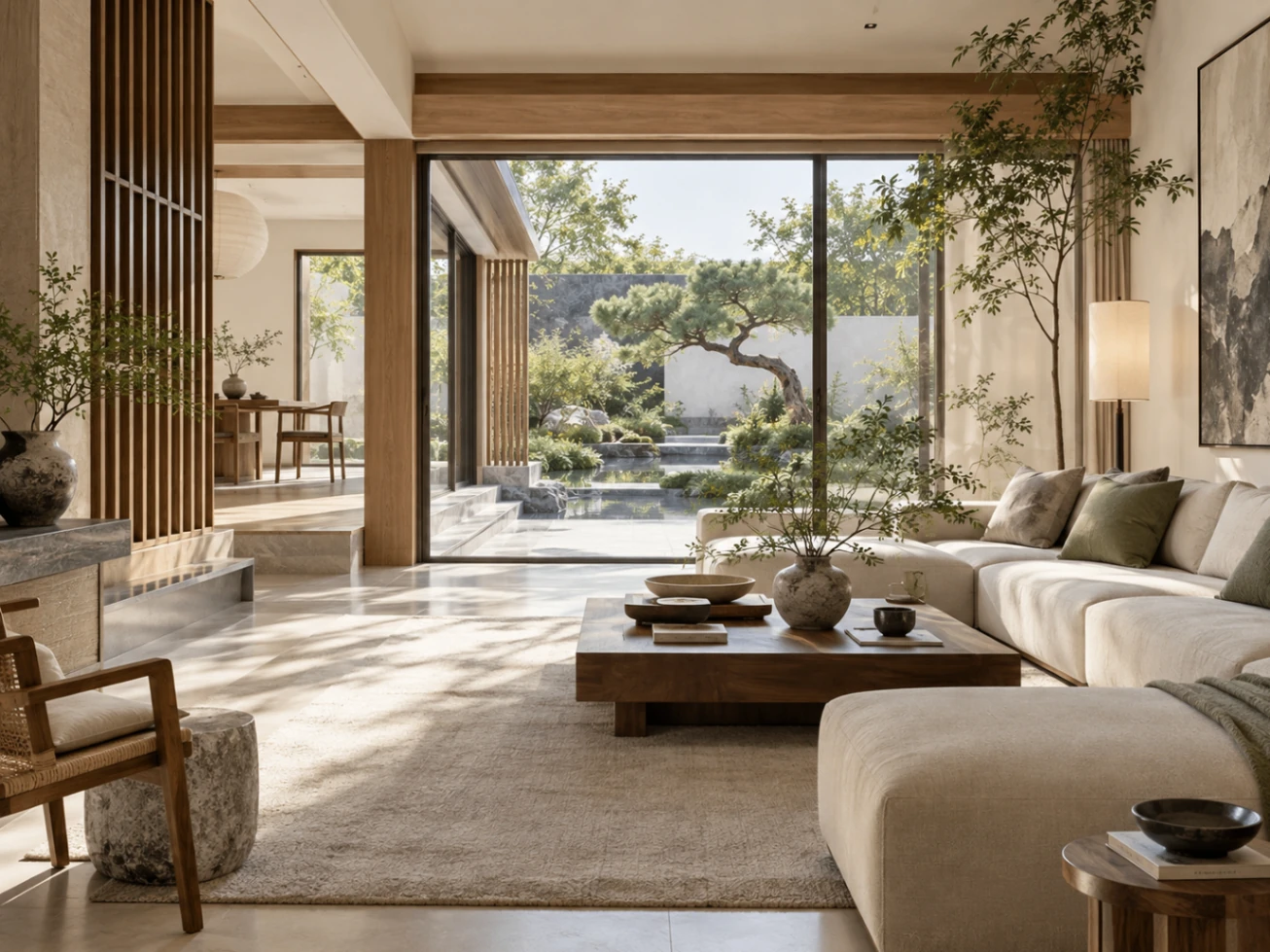
Understand flow, balance and the relationship between the spaces you use every day.
Explore Home Feng Shui →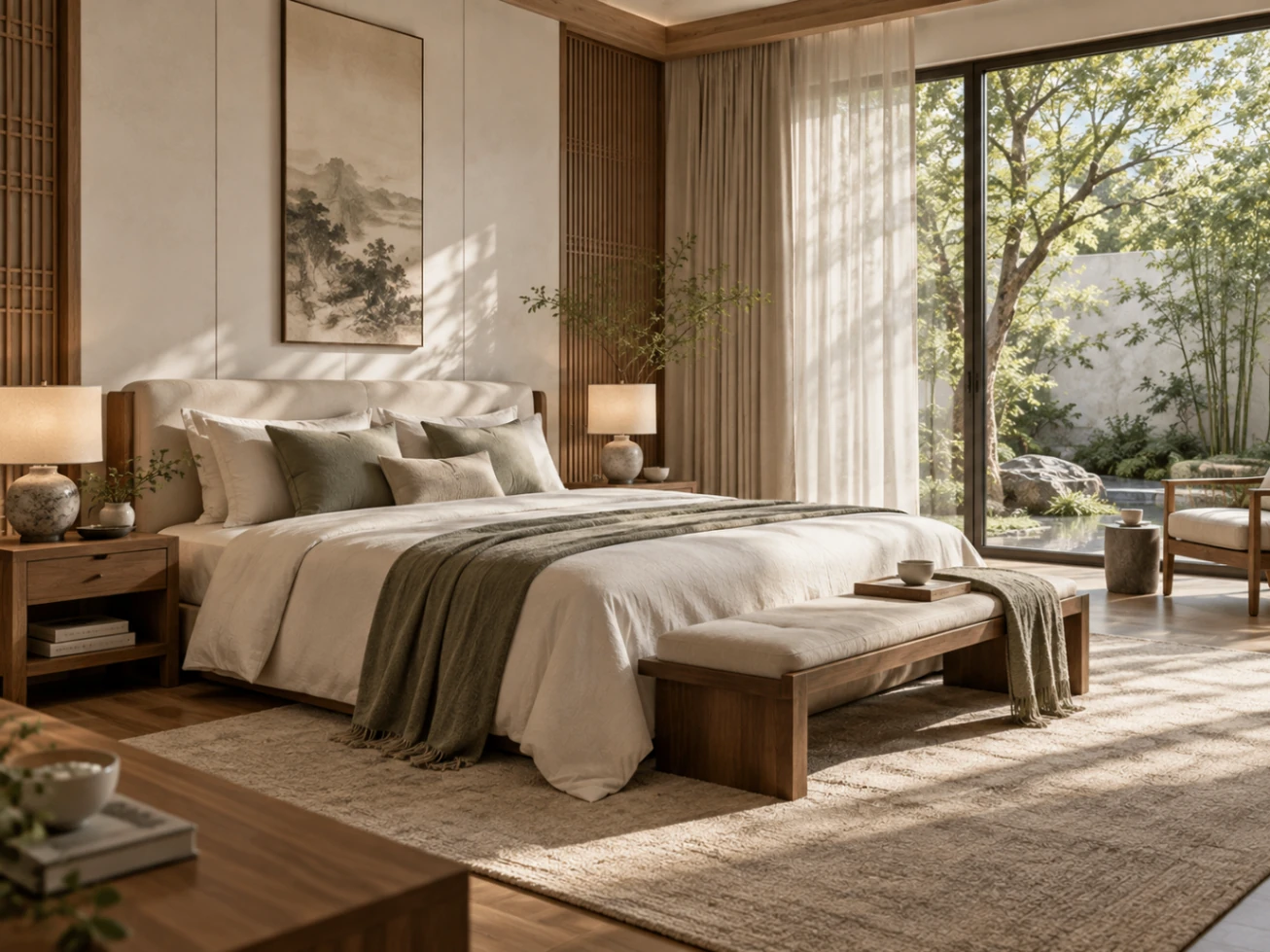
Explore traditional principles associated with rest, placement and the bedroom environment.
Explore Bedroom Feng Shui →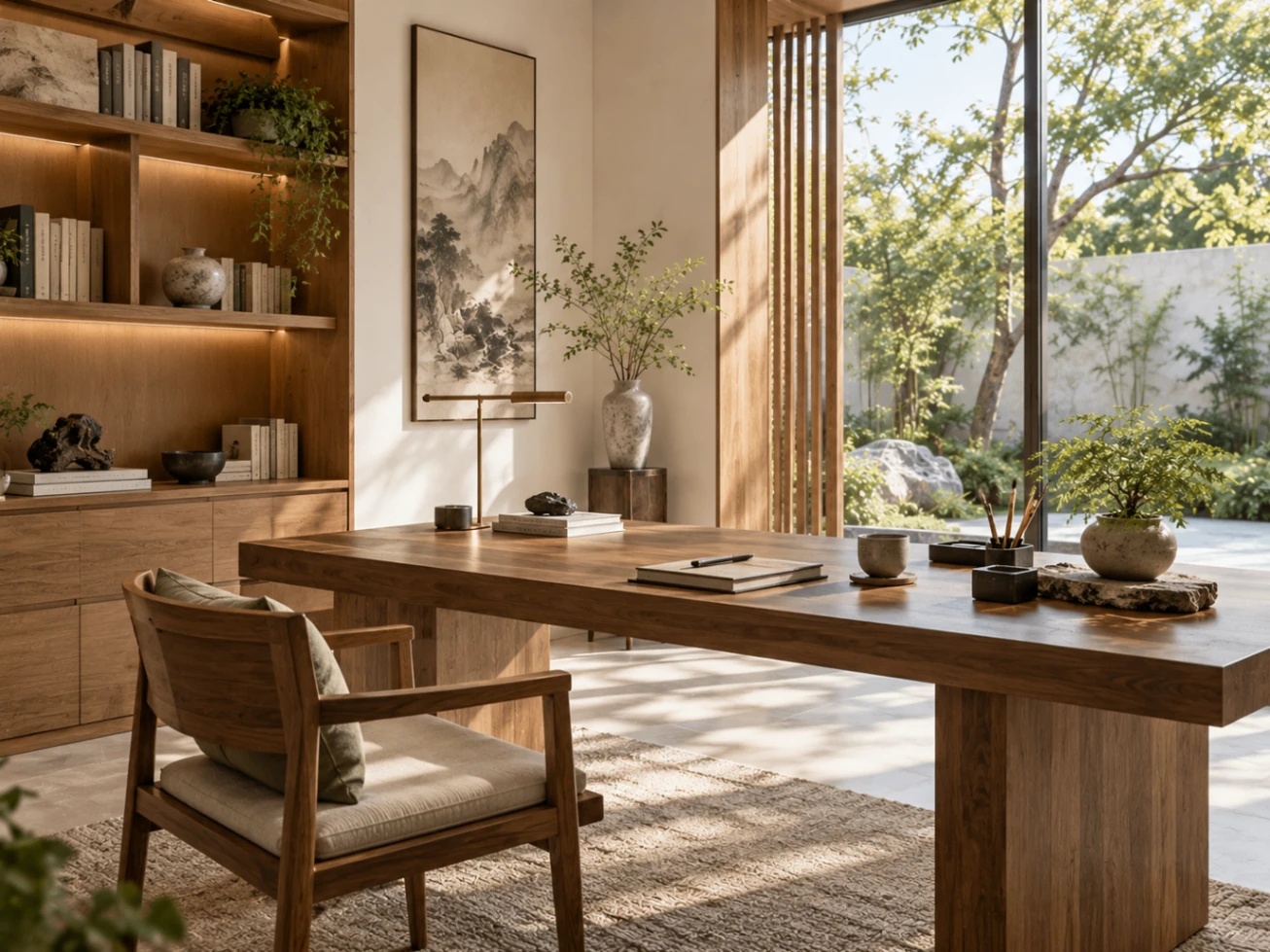
Consider how orientation, arrangement and surroundings shape your working space.
Explore Work & Desk →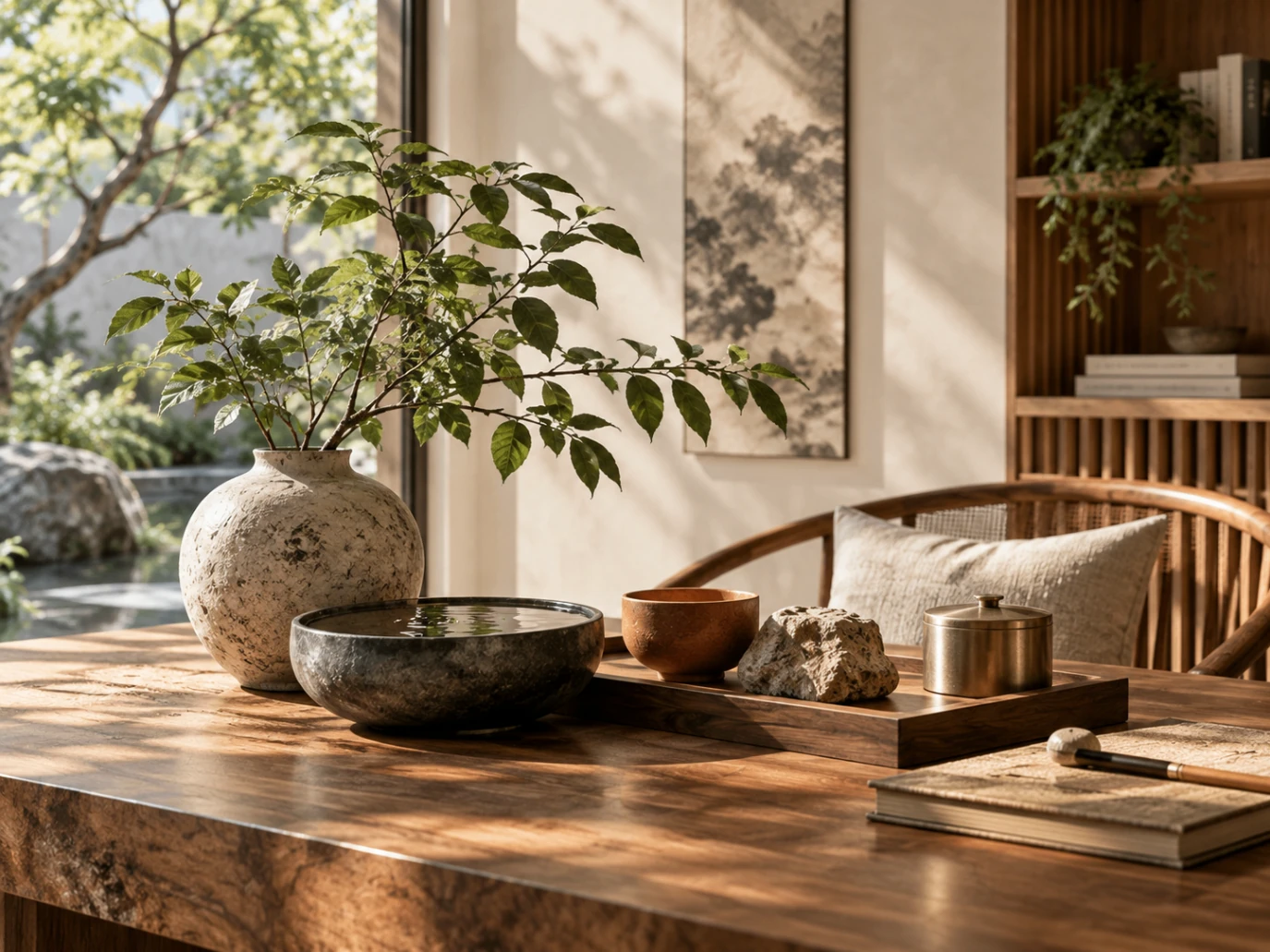
Learn how Wood, Fire, Earth, Metal and Water are interpreted within an environment.
Explore the Five Elements
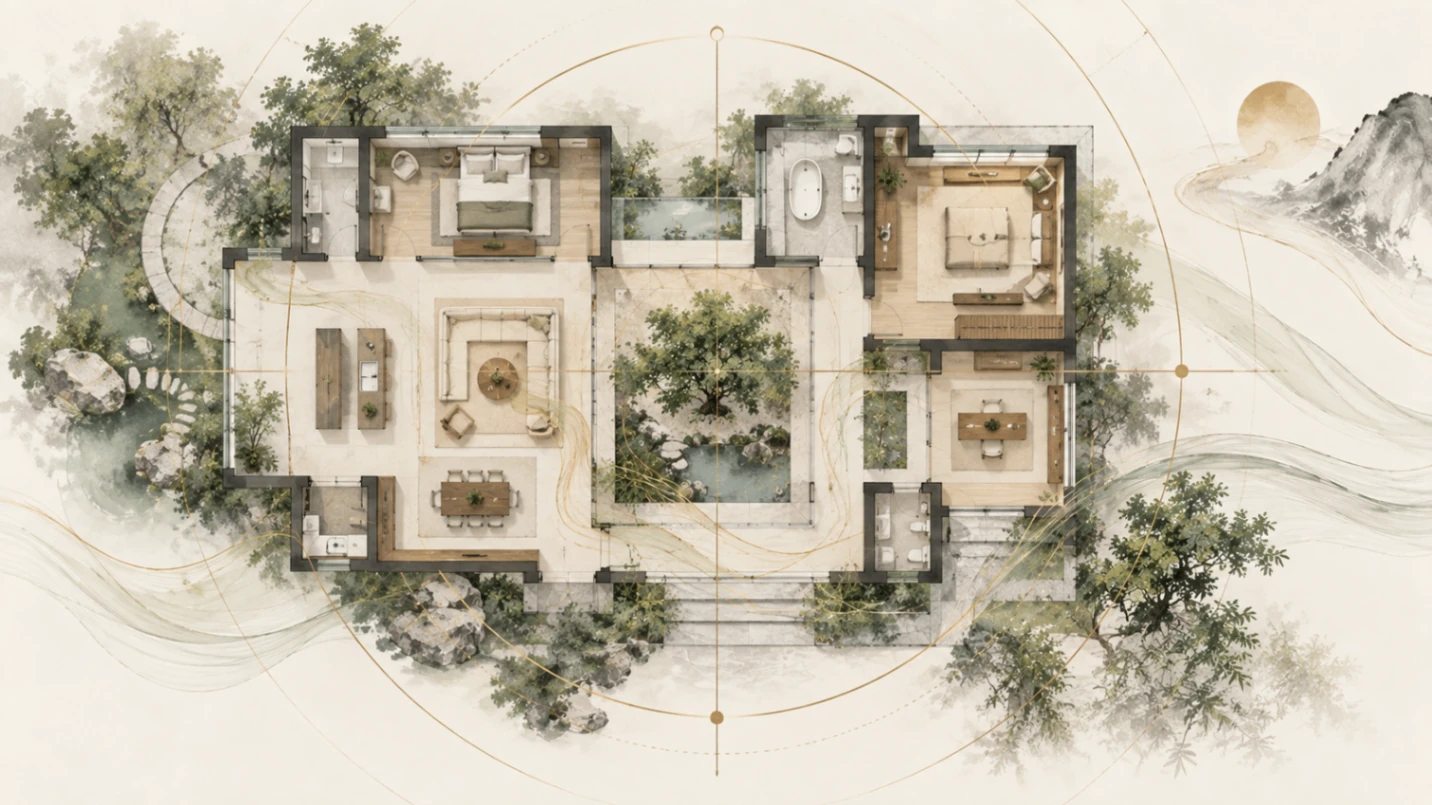
Simple Feng Shui advice often reduces the practice to universal rules. Traditional approaches can be considerably more contextual, considering the relationship between a particular space, its orientation, time and the people who use it.
Understanding that context is what turns a list of rules into a way of reading a space.
Read the Feng Shui Journal
Feng Shui traditions also consider how patterns change over time. Explore how traditional approaches interpret the qualities of the year through ideas of direction, timing and the Five Elements.

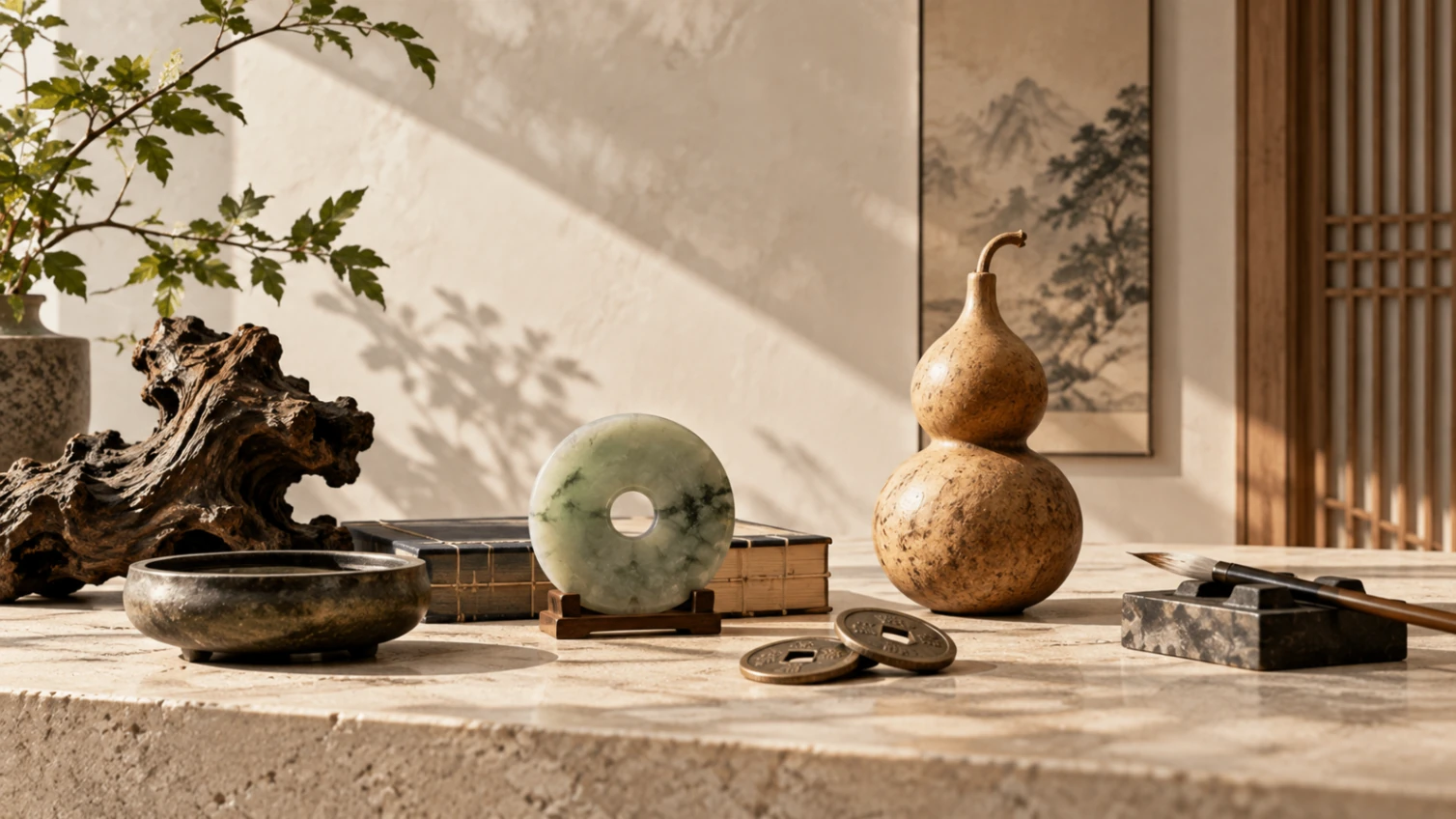
Objects found in Chinese homes can carry layers of symbolism, material meaning and cultural history. Understanding where those associations come from is more meaningful than treating an object as a shortcut to luck.
Feng Shui considers the environment around you. BaZi explores the elemental pattern associated with the moment you were born.
Explore Your BaZi →YukDao explores Chinese wisdom in its cultural context, bringing traditional ideas into conversation with the way we live today.