The Hill With Two Sides: What Yin and Yang Actually Mean
Most people have encountered the symbol their entire lives — the black and white circle, the curving line dividing them, the small dot of each colour living inside the other. And yet, most people who encounter it have never been told where it actually comes from.
The Hill With Two Sides
It comes from a hill.
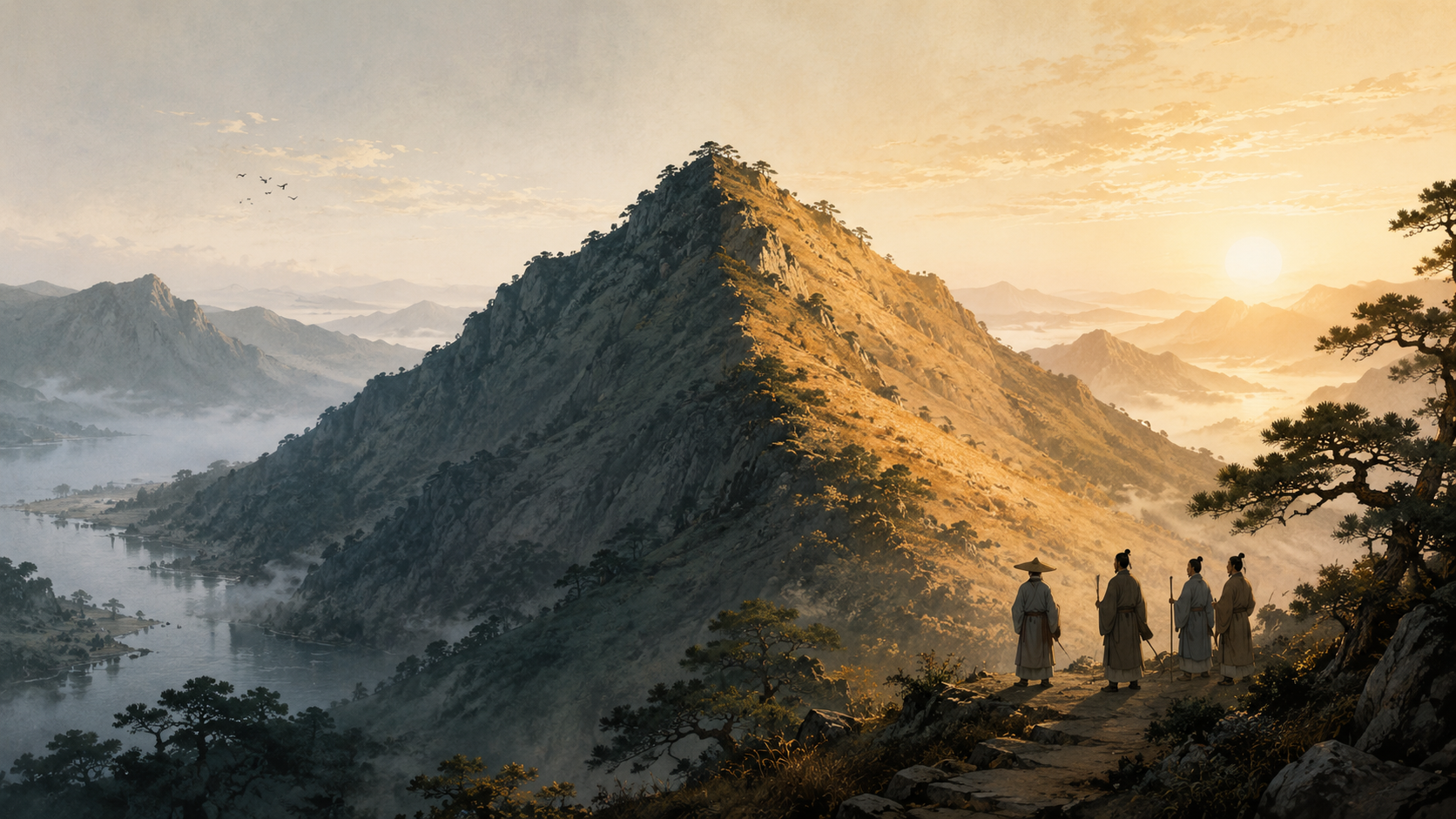
The earliest trace of the concept is agricultural, not spiritual. Ancient Chinese farmers, observing the landscape, noticed that a single hill produced two completely different conditions depending on which side you stood on. Yin (陰) literally means the shady side of a hill. Yang (陽) literally means the sunny side. One receives warmth and light; the other holds coolness and shadow. Neither is superior. Both belong to the same hill.
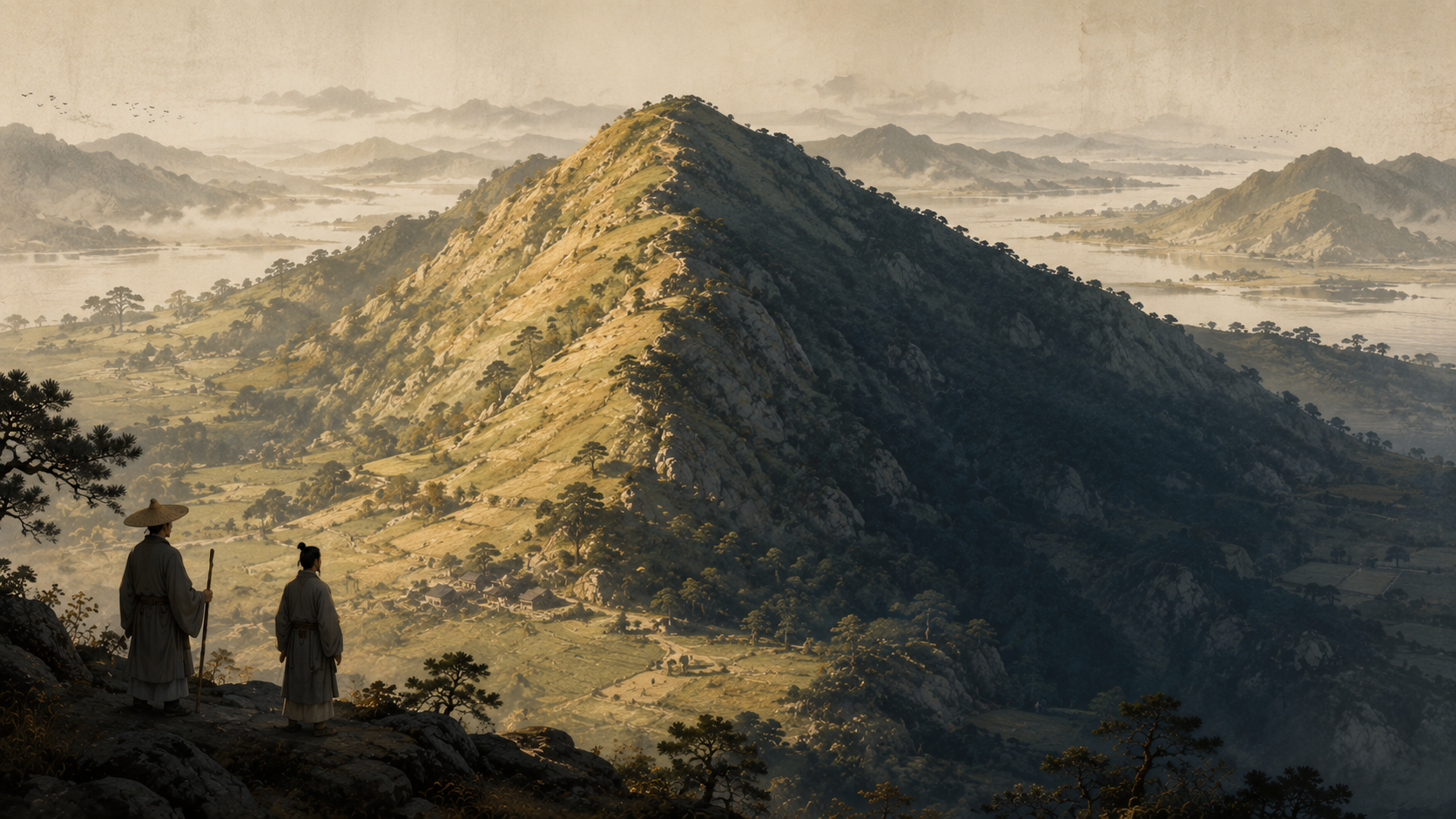
This simple observation — that a single thing can contain two different, interdependent conditions — became the foundational logic of Chinese civilisation for the next three thousand years.
Not Things. Relationships.
The first thing to understand is that Yin and Yang are not substances, not forces, and not moral categories. They are relational labels — descriptions of how two qualities relate to each other in a specific context.
This distinction matters enormously. Water, for example, is Yin compared to fire — it is cooler, heavier, and descending. But that same water is Yang compared to ice. Nothing is absolutely Yin or absolutely Yang in isolation. The label only makes sense relative to something else.
In broad terms, Yang qualities include warmth, light, movement, expansion, and active expression. Yin qualities include coolness, shadow, stillness, contraction, and receptive incubation. Day and night. Summer and winter. Exhale and inhale. These pairs are not opposites in conflict — they are two phases of a single, continuous cycle.
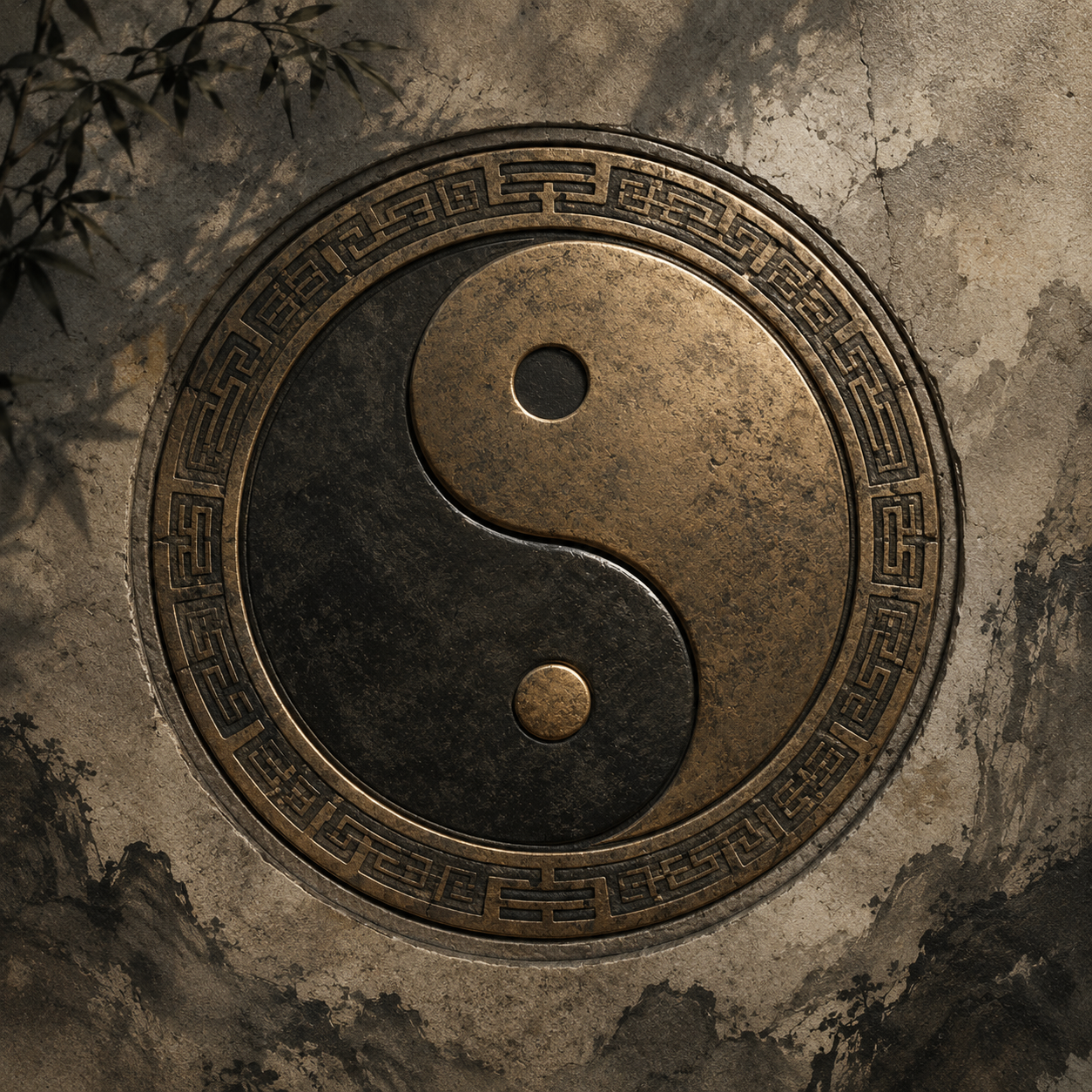
The Taijitu, the famous circular symbol, encodes this directly. The curved line dividing the two halves is not a wall — it is a line of motion, depicting the constant, fluid rotation between phases. More telling are the two small dots: a seed of white within the black field, and a seed of black within the white. In classical Chinese philosophy, this represents a fundamental law: when any force reaches its absolute peak, it begins transforming into its opposite. At midnight — the peak of Yin darkness — the first momentum toward dawn already begins.
“Nothing is absolutely Yin or absolutely Yang in isolation. The label only makes sense relative to something else.”
Why This Is Not Western Dualism
English-speaking audiences instinctively read “two opposing forces” through a specific lens: the battle between Good and Evil. This framework, inherited from Zoroastrian, Manichaean, and later Christian traditions, assumes that two opposing forces are enemies — and that the purpose of existence is for the correct side to definitively defeat the other.
Yin and Yang represent something structurally different: interdependent complementarity. The two forces are not fighting. They are cooperating. They require each other to exist at all.
You cannot have shadow without light. You cannot have “up” without “down.” You cannot have night without the day that precedes it. The scholar A.C. Graham called this way of thinking “correlative thinking” — ancient Chinese philosophers organised their understanding of reality through relationships and cycles, not through categories of right and wrong. This produces a completely different set of conclusions about how the world works.
How Ancient China Put It to Work
Because it was a structural framework rather than a religious doctrine, Yin and Yang was applied practically across every discipline in the ancient Chinese world.
Medicine
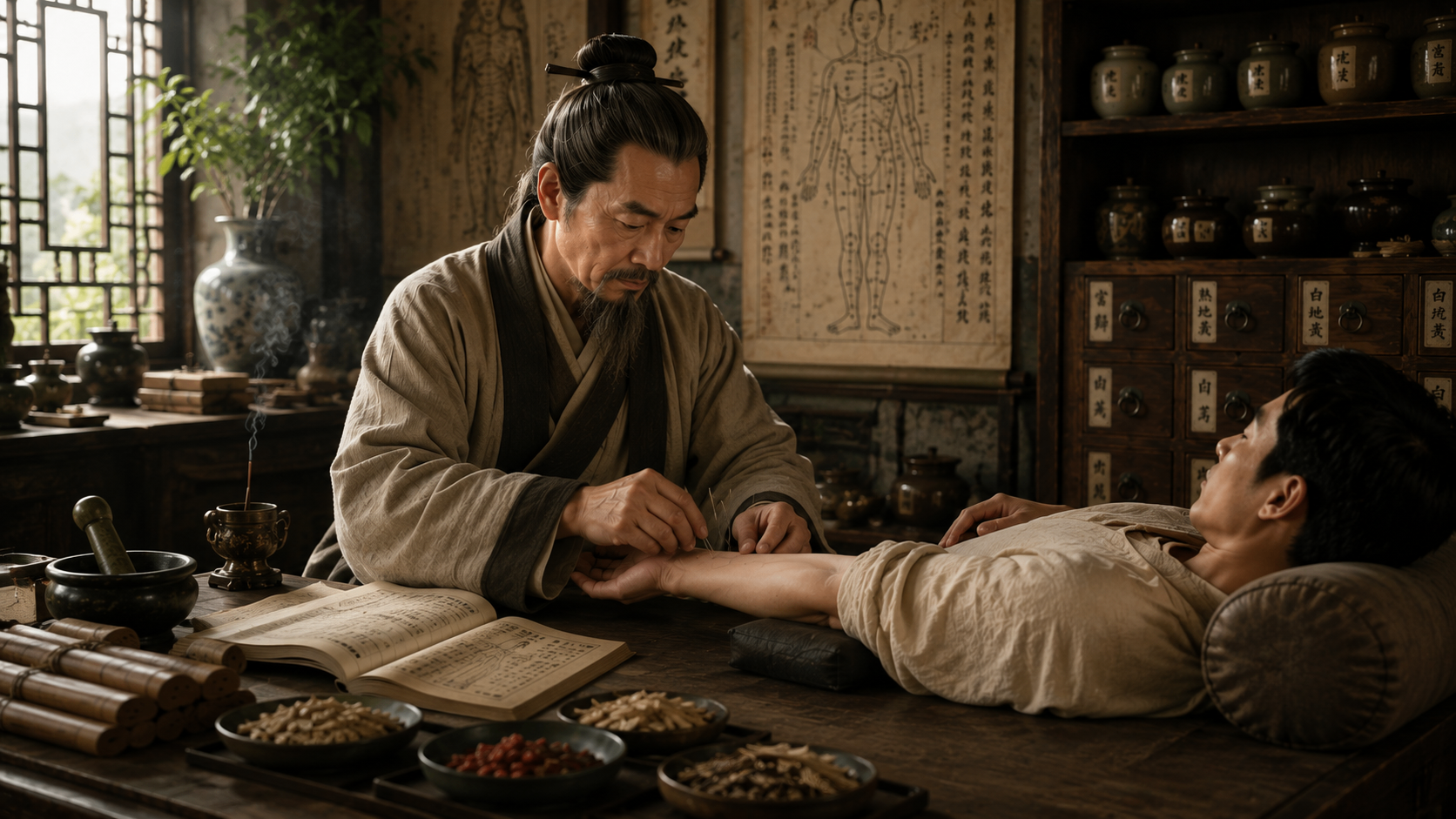
In medicine, the human body was mapped using this logic. Hollow organs that constantly move matter — the stomach, the intestines — were classified as Yang; they are always in motion, always expressing. Solid organs that quietly store vital substances — the liver, the kidneys — were classified as Yin. A fever is an excess of Yang energy; a cold, sluggish, low-energy illness is an excess of Yin. The physician’s task was never to destroy the disease as an enemy, but to restore the body’s own internal equilibrium between the two.
Strategy
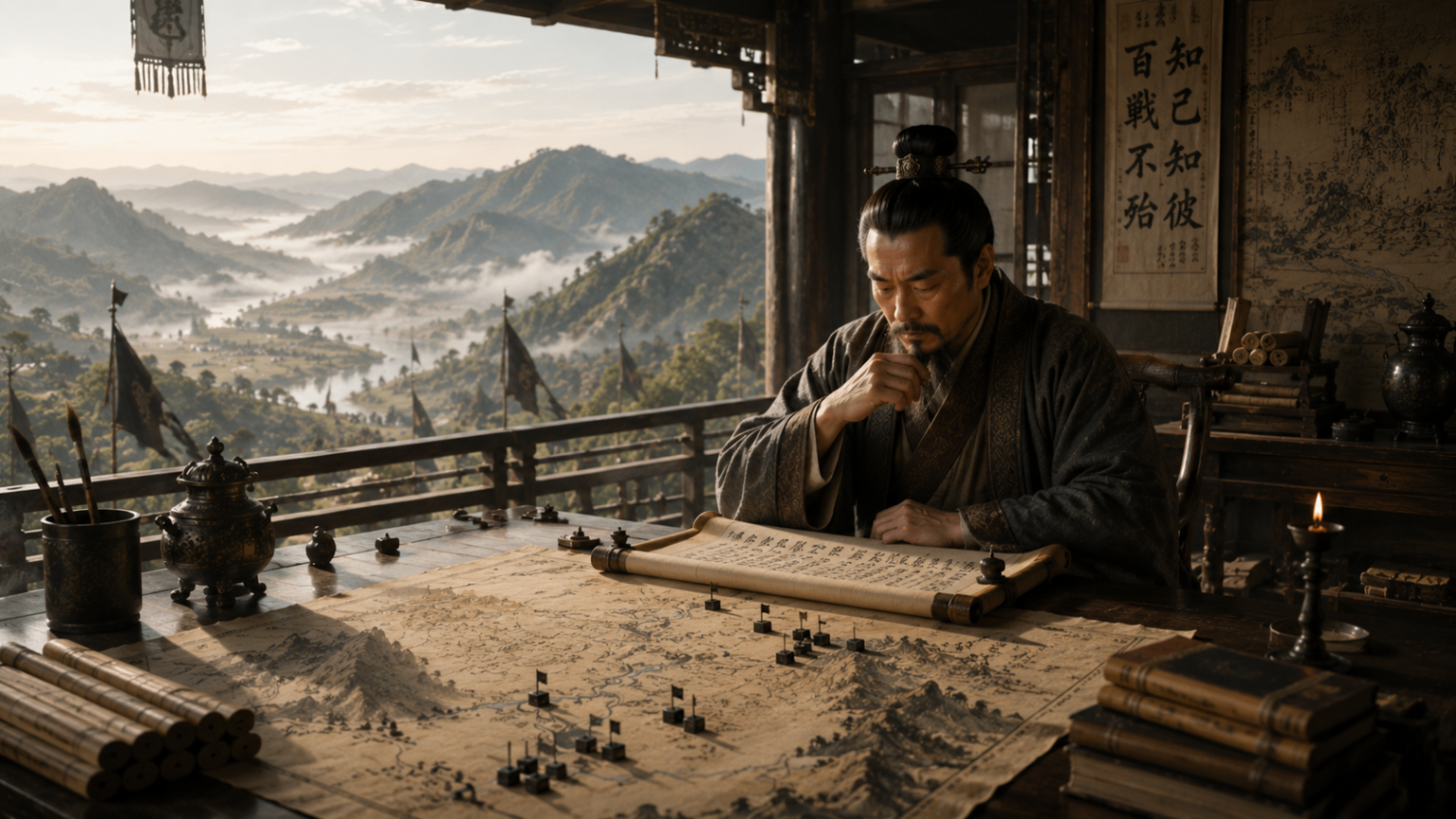
In strategy, Sun Tzu’s The Art of War is built entirely on Yin-Yang dynamics. A skilled general avoids the enemy’s Yang — their strongest, most fortified, most visible positions — and moves instead toward their Yin: the empty, undefended, overlooked vulnerabilities. Tactics must remain fluid, shifting like water, never becoming rigid in either direction. This military framework has since been studied in business schools worldwide.
Agriculture
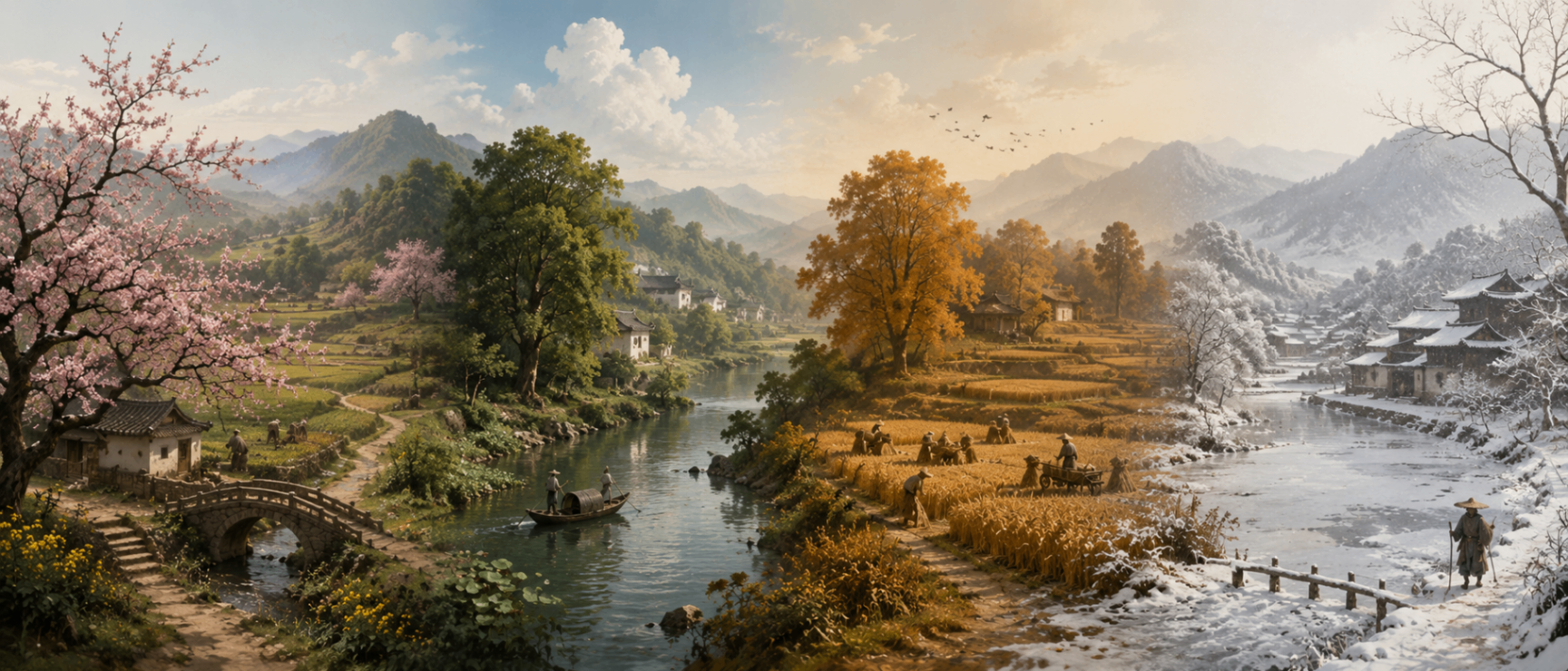
In agriculture, the approach was equally systematic. Spring and summer, as Yang grew and expanded, were for planting, cultivation, and outward effort. Autumn and winter, as Yin grew and Yang receded, were strictly for harvesting, preserving, and resting the land. The earth needed its Yin phase as much as its Yang phase to remain fertile. Pushing growth through a resting season did not produce abundance — it produced exhaustion.
This was not poetic. It was working knowledge, refined over centuries.
Why It Matters Now
Modern life often treats productivity as a virtue and rest as a weakness. We push through fatigue, celebrate constant output, and treat stillness as time wasted. Burnout is the predictable result — not a personal failing, but a structural imbalance. The ancient Chinese would recognise it instantly: too much Yang, unrelieved by Yin, exhausts the field.
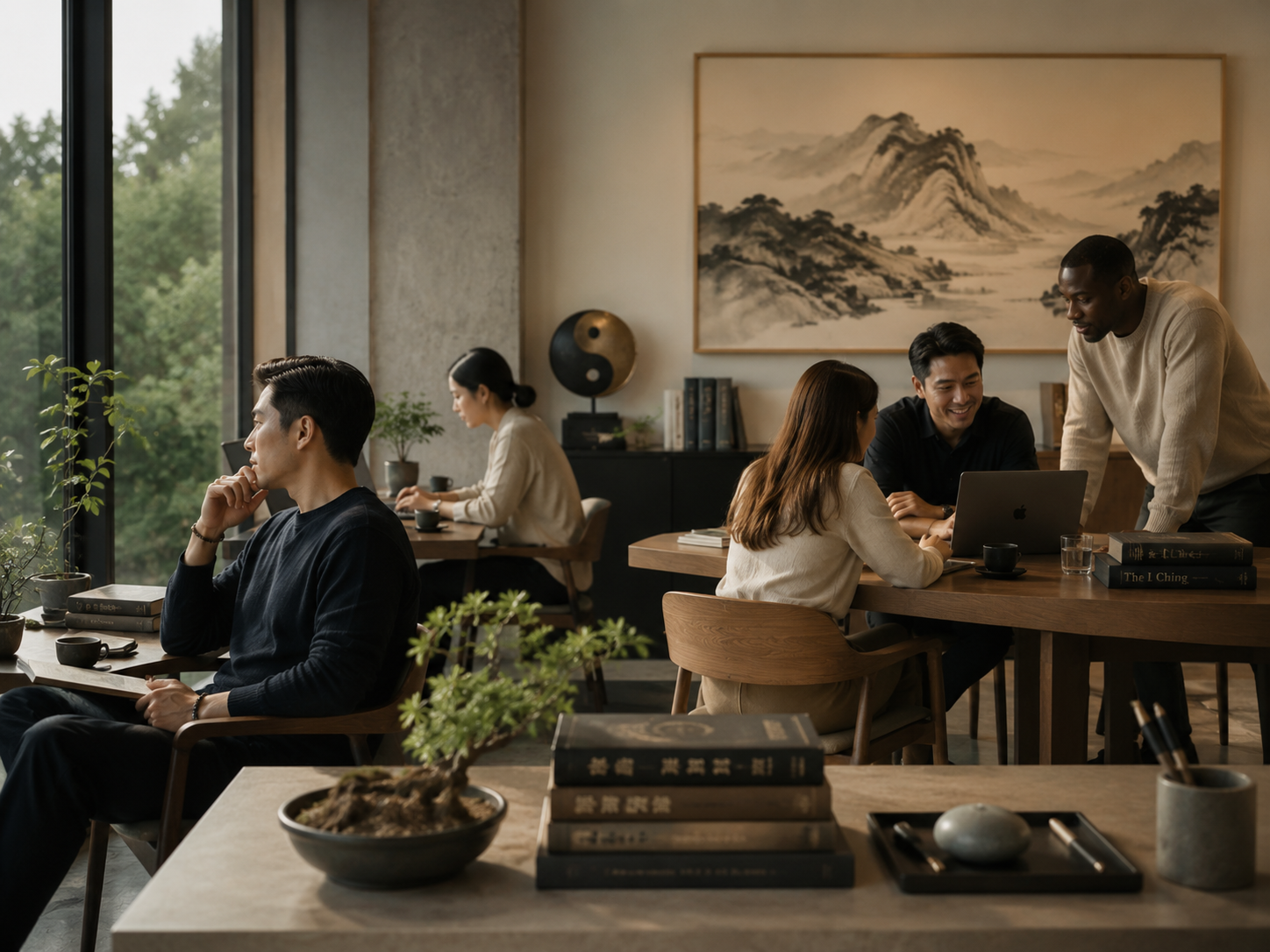
Yin and Yang offer a different measure of a life well lived. Not maximum output, but sustainable rhythm. Effort followed by recovery. Expression followed by reflection. The ability to move decisively when the moment calls for it, and to withdraw quietly when it does not. This is not a lifestyle trend. It is a working philosophy that has kept civilisations, families, and individuals whole for three thousand years.
Carrying the Idea Forward
At YukDao, we design with this balance in mind — objects meant to be lived with quietly, to hold meaning without demanding attention, and to remind their wearer that strength and stillness belong to the same life.
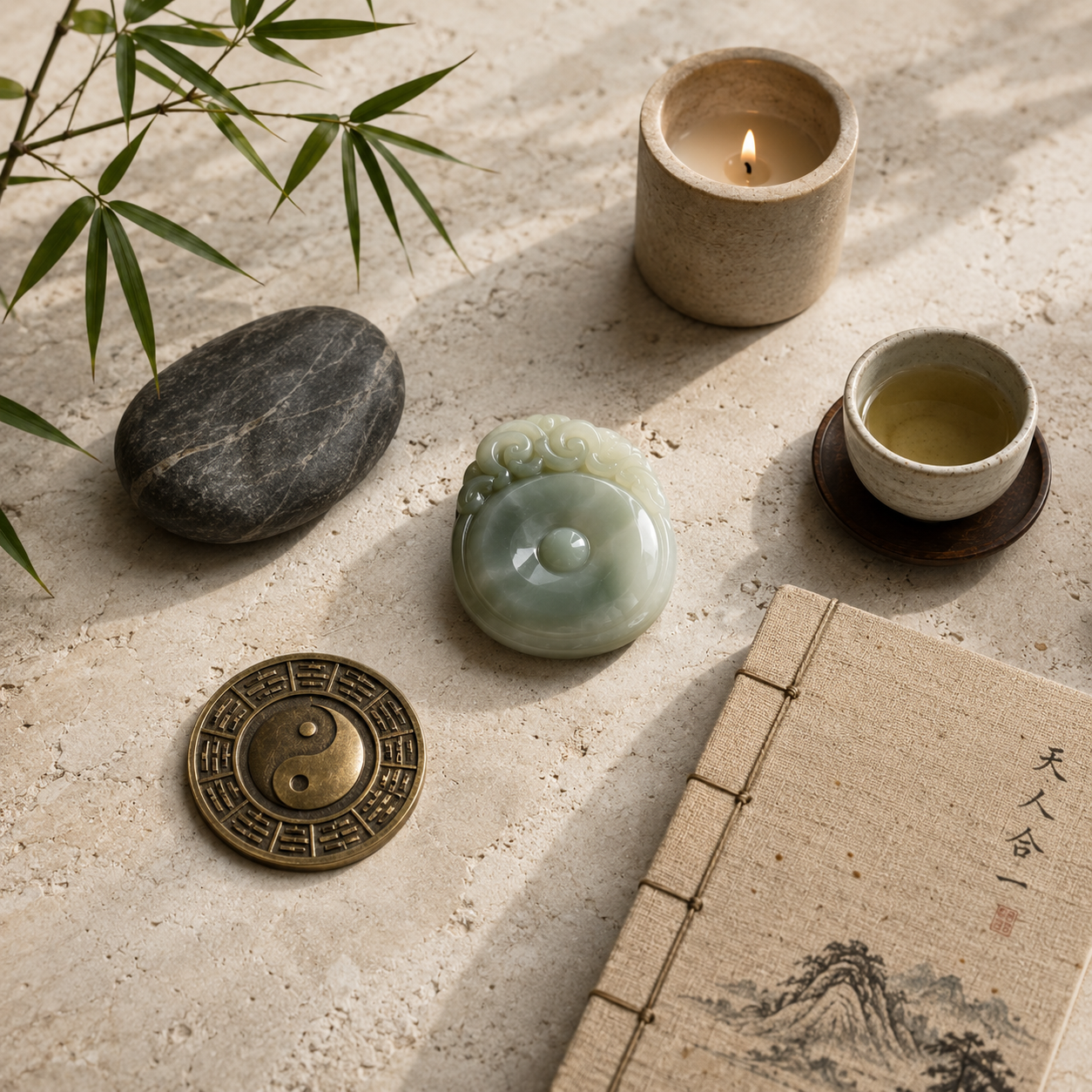
The Taijitu is not an aesthetic. It is a diagram of how the world actually works — how phases give rise to one another, how nothing sustains itself in isolation, and how the seed of the next season is already forming inside the current one. To carry this idea forward is not to romanticise the past. It is to apply working knowledge that has quietly outlasted every empire that produced it.
Discover Your Chinese Zodiac & 2026 Focus Report
Discover your Chinese Zodiac, Five Elements profile, annual Feng Shui guidance and the philosophy behind traditional Chinese wisdom.
Receive monthly Chinese wisdom, seasonal Feng Shui insights and early access to new YukDao collections.
- Yin Yang
- Taijitu
- Chinese Philosophy
- Chinese Wisdom
- Chinese Medicine
- Sun Tzu
- Agriculture
- Chinese Cosmology
Related Articles
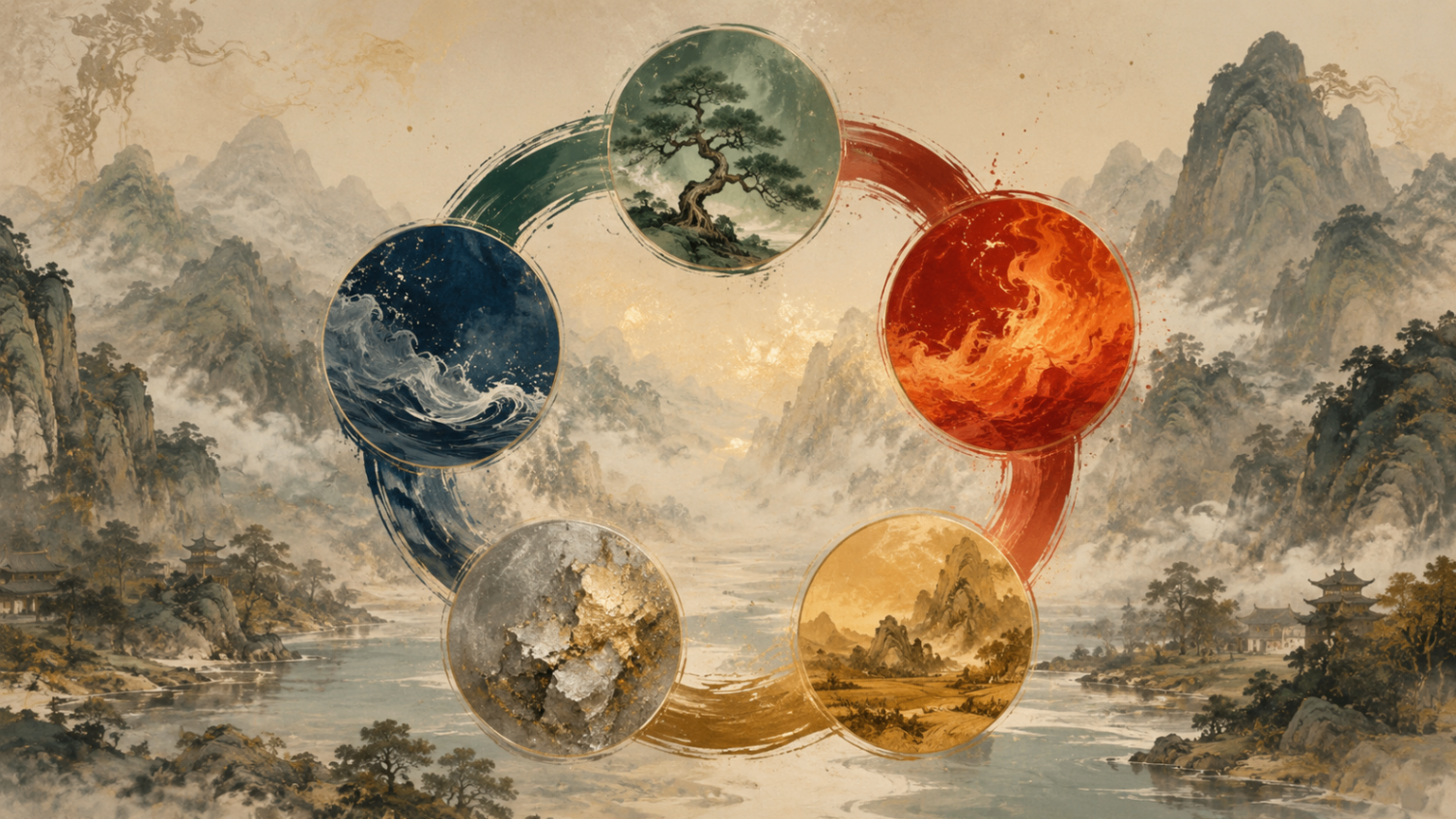
The Five Phases: What Ancient China Understood About Change That the Modern World Forgot
Wu Xing is not mysticism. It is one of history's most practical frameworks — used by emperors, physicians, and farmers for over two thousand years to understand the patterns that govern everything.
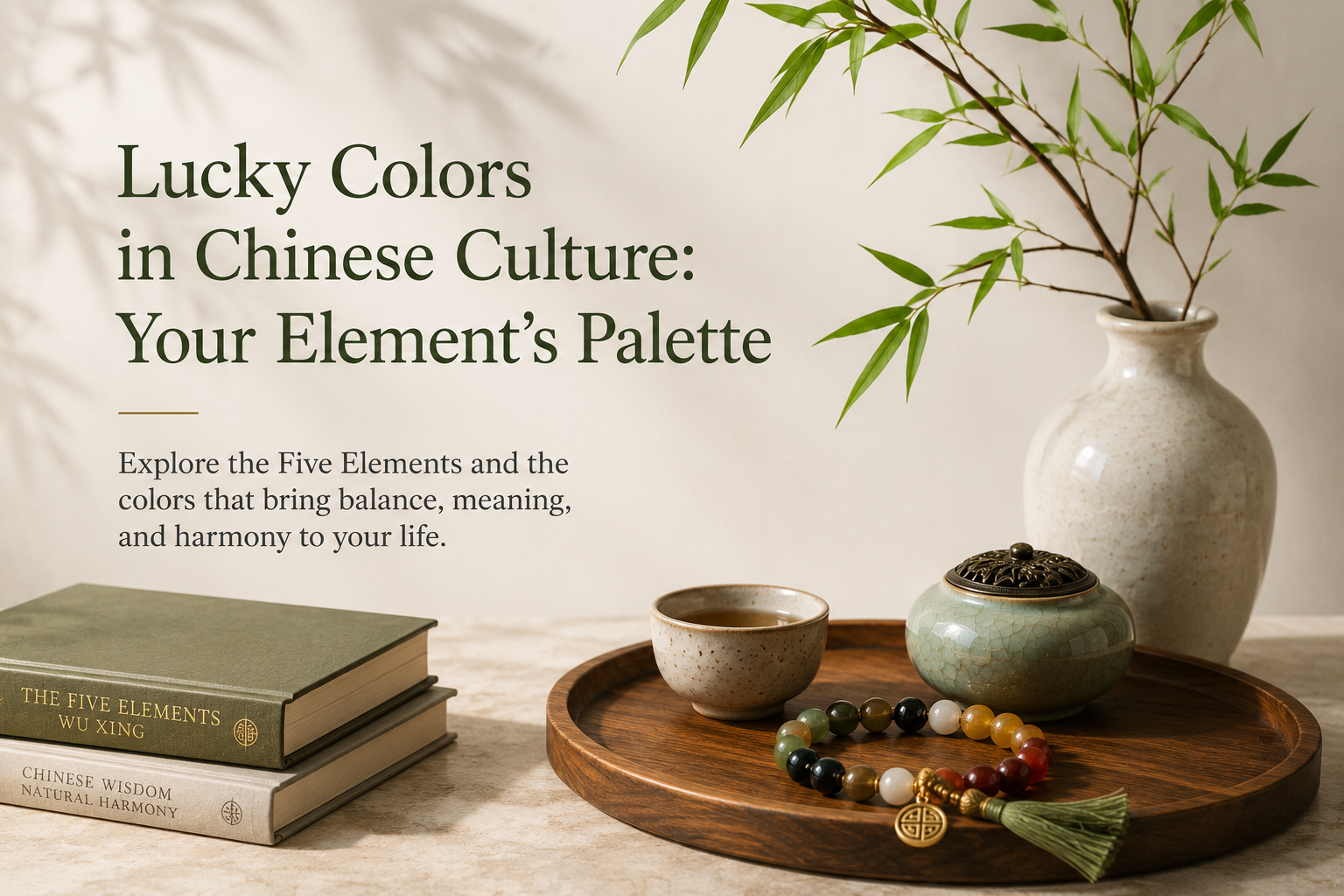
Lucky Colors in Chinese Culture: Your Element's Palette
In Chinese thought, color is not decoration. It is a structured language — a way of describing the natural forces that shape a season, a direction, a temperament, or a home.
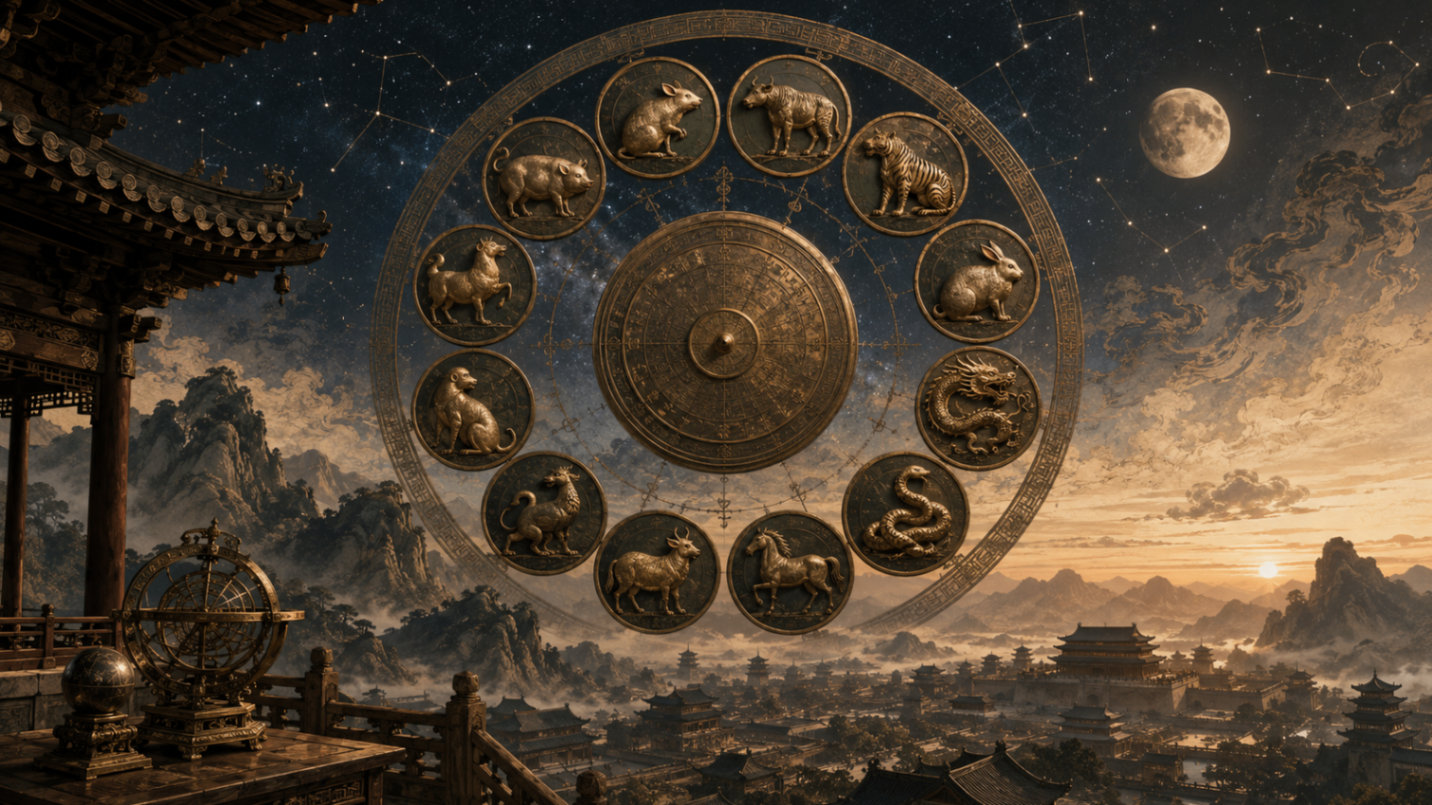
Shengxiao: A Serious Introduction to the Chinese Zodiac
Most people could tell you their Chinese zodiac animal. Far fewer could tell you where the system actually came from, how it works in full, or why it continues to shape social dynamics, birth planning, and commercial culture across Asia today.