
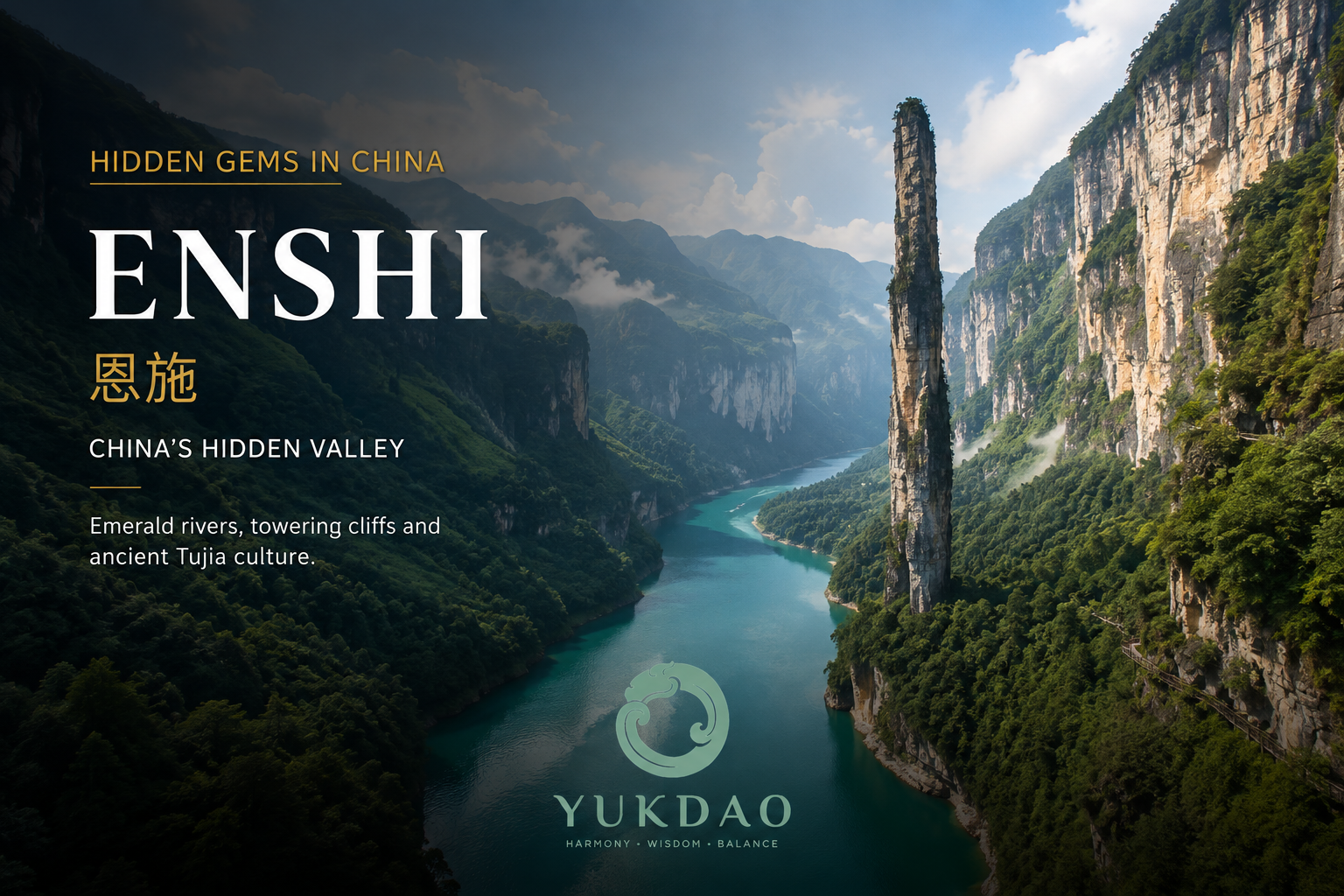
Enshi: China's Hidden Valley of Emerald Rivers and Ancient Tujia Culture
Emerald rivers, soaring cliffs and one of China's most breathtaking hidden landscapes.
When most people imagine China, they picture skylines, imperial palaces or famous mountain peaks.
Few imagine rivers so clear they glow jade green beneath towering limestone cliffs.
Hidden in western Hubei Province, Enshi is one of China’s least known natural wonders. Deep valleys, waterfalls, caves and forests stretch across a landscape shaped over hundreds of millions of years.
Yet Enshi is more than spectacular scenery.
It is also the homeland of the Tujia people, one of China’s officially recognized ethnic groups, whose traditions remain closely connected to these mountains.
Nature and culture have grown together here for centuries.
A Different Side of China
Enshi lies in the Wuling Mountains of western Hubei.
Its remote location protected both its landscapes and its communities for generations.
Unlike many of China’s most famous destinations, Enshi remained difficult to reach until modern railways and highways improved access.
Today visitors arrive expecting beautiful scenery.
Many leave surprised that so few people outside China have heard of it.
The Emerald Waters of the Qingjiang River
The Qingjiang River is often called the “Mother River of the Tujia People.”
Flowing through limestone valleys, the river reflects minerals and surrounding forests to produce its remarkable emerald color.
Small boats drift quietly between cliffs rising hundreds of meters above the water.
Morning mist often lingers above the surface, giving the valley an almost dreamlike appearance.
The beauty feels cinematic, yet it is entirely natural.
A Landscape Carved by Water
The dramatic scenery of Enshi was not created overnight.
For millions of years, rainwater slowly dissolved layers of limestone beneath the surface.
Over time, caves collapsed, rivers changed course and enormous sinkholes formed.
This geological process, known as karst formation, produced much of the region’s spectacular landscape.
The cliffs, bridges and caves seen today are the result of extraordinary patience rather than sudden events.
Enshi Grand Canyon
The Enshi Grand Canyon stretches for more than one hundred kilometers.
Vertical cliffs, waterfalls, narrow ridges and dense forests create one of China’s most impressive canyon systems.
Perhaps its most recognizable landmark is the towering freestanding rock pillar known as the “One Incense Stick.”
Standing more than 150 meters tall, the slender stone column has resisted erosion while surrounding rock gradually disappeared.
Its survival demonstrates how small differences in geology can create extraordinary landscapes.
Skywalks Above the Valley
Modern walkways allow visitors to experience the canyon without overwhelming its fragile environment.
Suspended paths cling to cliffs high above the valley floor.
Rather than dominating the landscape, they encourage visitors to slow down and appreciate changing perspectives.
Every turn reveals another waterfall, another limestone wall or another forest stretching toward the horizon.
The Homeland of the Tujia People
Enshi is home to one of China’s largest Tujia populations.
For centuries the mountains shaped their way of life.
Wooden stilt houses were built on steep slopes.
Songs and dances accompanied festivals and celebrations.
Traditional weaving techniques produced richly patterned brocade still admired today.
Although modern life has transformed the region, many cultural traditions continue alongside contemporary development.
Living With the Mountains
Mountain communities learned to adapt instead of reshape their surroundings.
Terraced fields followed the contours of the hills.
Homes stood above damp ground on wooden stilts.
Paths connected villages through forests and valleys rather than across them.
The landscape determined daily life.
Rather than resisting nature, people worked with it.
More Than Beautiful Scenery
Visitors often arrive expecting dramatic photographs.
The deeper reward comes from understanding how the landscape functions.
Forests regulate water.
Rivers shape valleys.
Cliffs protect rare plants.
Villages reflect generations of adaptation.
Everything is connected.
Protecting Enshi
Growing tourism has brought new opportunities to the region.
It also creates responsibility.
Managing visitor numbers, protecting forests and preserving traditional communities have become essential.
The goal is not simply to attract more visitors.
It is to ensure the landscape remains healthy for future generations.
Looking Beyond the Famous Viewpoints
The most memorable moments in Enshi are often the quietest.
Watching morning fog rise from the river.
Listening to birds echo through the canyon.
Crossing a suspension bridge above ancient forests.
Meeting local residents whose families have lived among these mountains for generations.
These experiences cannot be captured by one photograph.
Hidden China at Its Best
Enshi reminds us that China’s greatest treasures are not always its most famous ones.
It is a place where geology, biodiversity and culture meet.
Emerald rivers flow beneath limestone cliffs.
Ancient traditions continue in mountain villages.
Nature still sets the rhythm of daily life.
For travelers willing to venture beyond the familiar, Enshi offers one of China’s most unforgettable landscapes.
“In Enshi, the rivers carved the mountains, and the mountains shaped the people who call them home.”
- Hidden China
- Enshi China
- Enshi Grand Canyon
- Qingjiang River
- Enshi Hubei
- Tujia Culture
- Karst Landscape China
- China Hidden Destinations
Related Articles
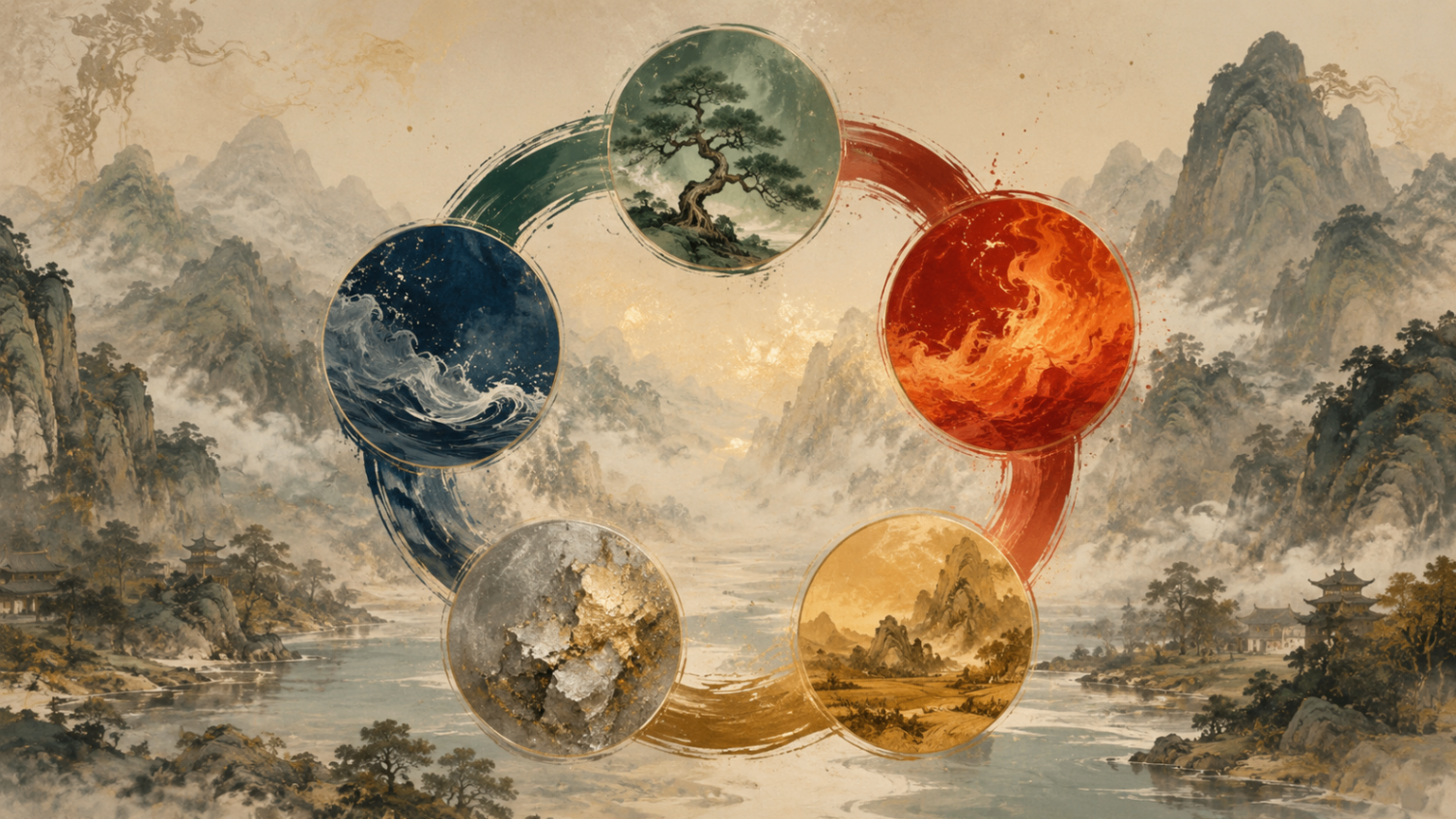
The Five Phases: What Ancient China Understood About Change That the Modern World Forgot
Wu Xing is not mysticism. It is one of history's most practical frameworks — used by emperors, physicians, and farmers for over two thousand years to understand the patterns that govern everything.
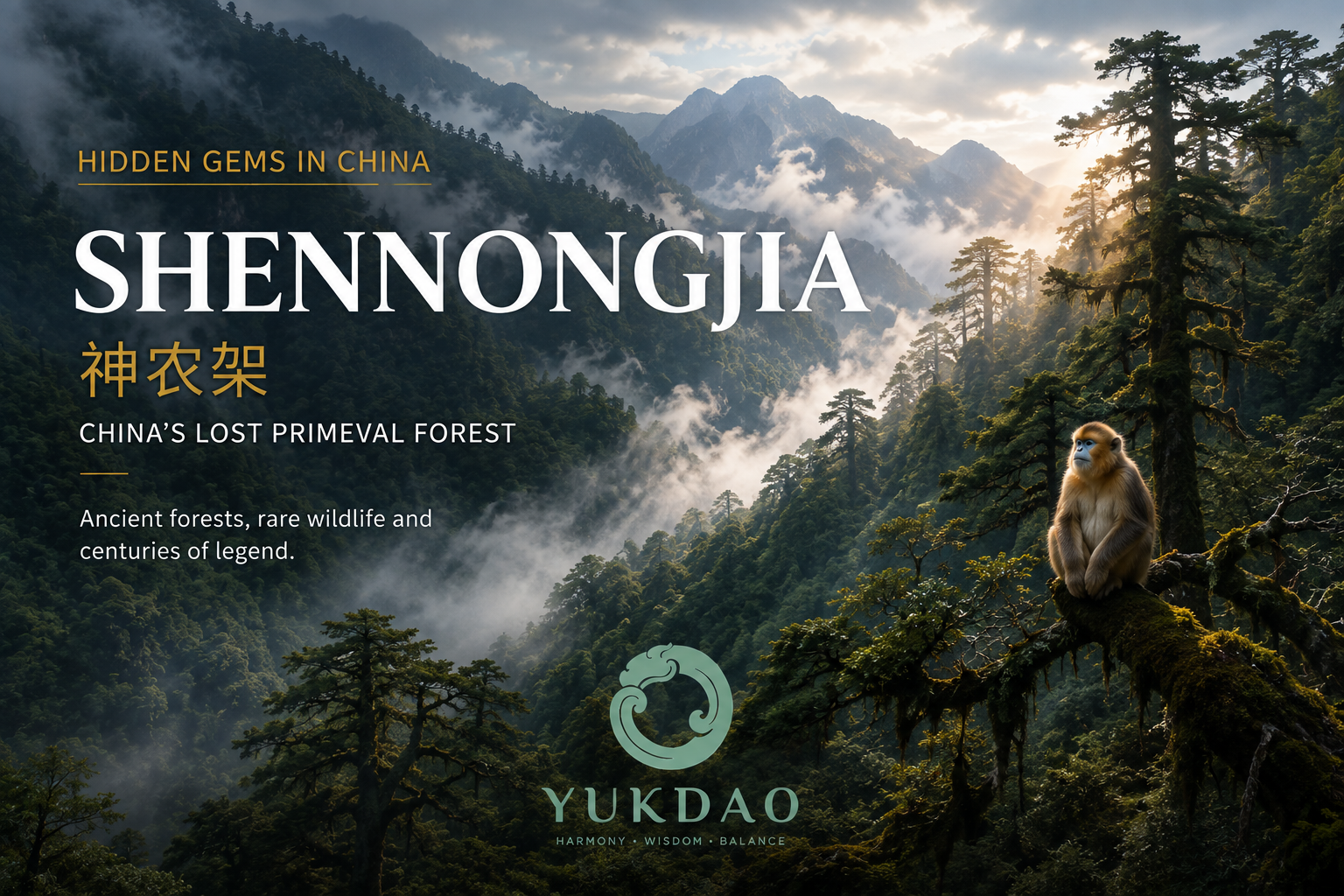
Shennongjia: China's Lost Primeval Forest
Ancient forests, rare wildlife and centuries of legend make Shennongjia one of China's most mysterious natural landscapes.
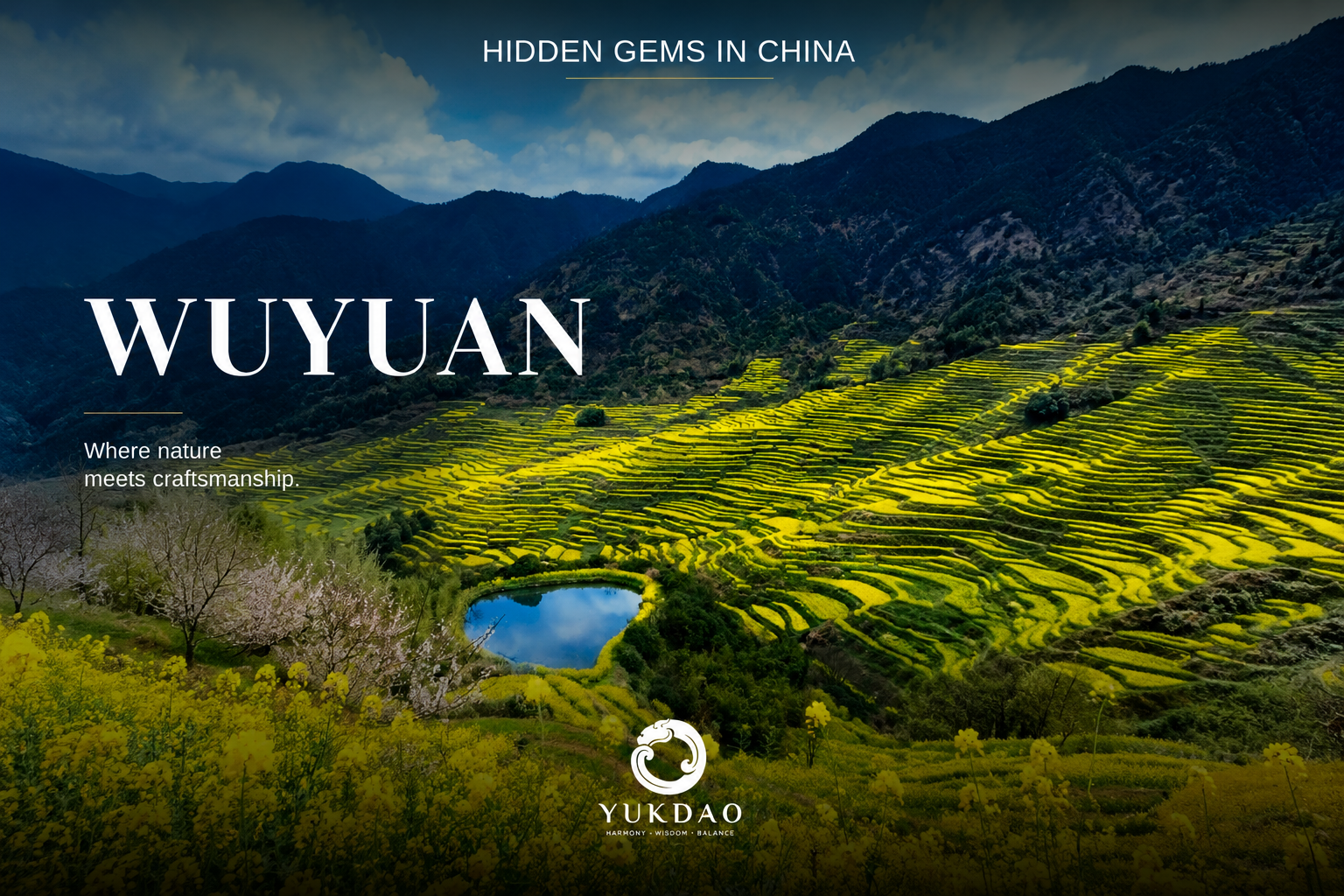
Wuyuan: Where Nature Meets Craftsmanship
Golden terraces, whitewashed villages and centuries-old carving traditions reveal a quieter side of China in Wuyuan.
Keep exploring China
Hidden places, cultural stories and thoughtful ideas, one letter at a time.