
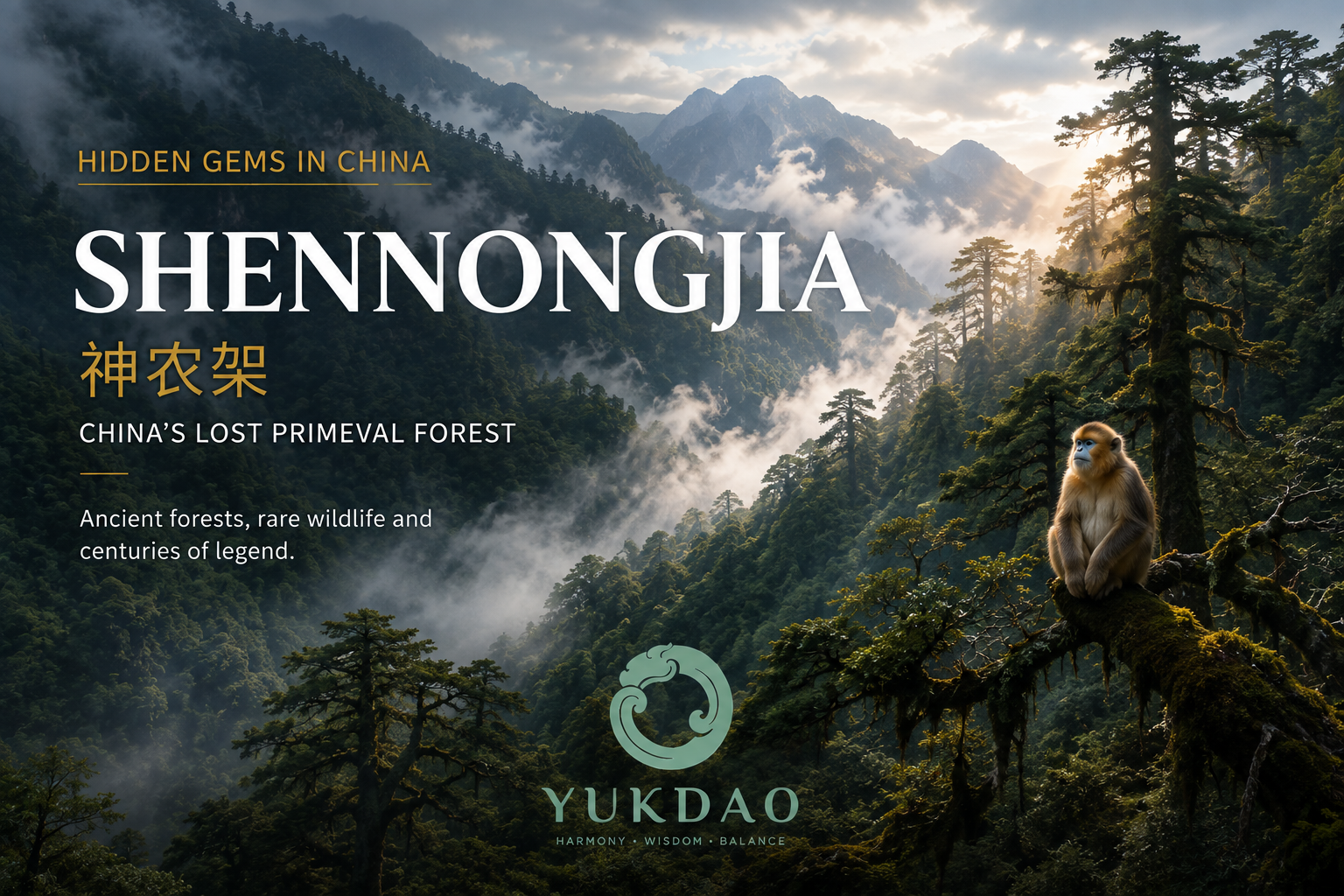
Shennongjia: China's Lost Primeval Forest
Ancient forests, cloud-covered peaks and one of China's richest wildlife sanctuaries.
For thousands of years, stories have spoken of a vast forest hidden deep within central China.
A place where towering trees disappear into the clouds.
Where rare animals still roam untouched mountains.
Where mist drifts silently between ancient valleys.
This is Shennongjia.
Located in western Hubei Province, Shennongjia is one of China’s largest remaining temperate primeval forests and one of the country’s most important centers of biodiversity.
It is a landscape shaped by millions of years of geological change and centuries of cultural imagination.
A Mountain World Above the Clouds
Shennongjia lies within the Daba Mountains.
Elevations rise from river valleys to peaks exceeding 3,000 meters.
This dramatic change in altitude creates several climate zones within a relatively small region.
Dense forests, alpine meadows, bamboo groves and wetlands all exist within the same protected landscape.
As visitors climb higher, the vegetation changes with the temperature, creating one of China’s richest ecological gradients.
The Meaning Behind the Name
The name Shennongjia means “The Ladder of Shennong.”
According to Chinese tradition, Shennong, the legendary Divine Farmer, traveled these mountains while studying plants and teaching agriculture.
Stories describe him building wooden ladders to climb steep cliffs in search of medicinal herbs.
Whether historical or legendary, these tales reflect the region’s long association with medicinal plants and botanical knowledge.
Today, the mountains remain home to thousands of plant species.
One of China's Greatest Forests
Unlike many mountain destinations known primarily for dramatic scenery, Shennongjia is valued for its ecosystems.
Large areas of old-growth forest have survived here.
Towering firs, ancient pines, broadleaf forests and dense bamboo create habitats for extraordinary wildlife.
The changing seasons transform the landscape.
Spring fills the valleys with blossoms.
Summer brings lush green forests.
Autumn paints the mountains in shades of gold and crimson.
Winter blankets higher elevations in snow.
Each season reveals a different forest.
Home to Rare Wildlife
Shennongjia is one of China’s biodiversity hotspots.
More than 3,700 plant species have been recorded here, alongside hundreds of vertebrate species.
Among its most famous residents is the golden snub-nosed monkey.
These remarkable primates live in family groups within the high mountain forests.
Their thick golden fur allows them to survive cold winters that would challenge many other monkey species.
Other wildlife includes clouded leopards, black bears, serows, golden eagles and countless bird species.
Many animals depend upon habitats that have disappeared elsewhere.
Why So Many Species Survive Here
The mountains create natural isolation.
During past ice ages, many plants and animals survived here while disappearing from surrounding regions.
Scientists sometimes describe Shennongjia as a biological refuge.
This long continuity helps explain why the forests contain such exceptional biodiversity today.
It is not simply the number of species that matters.
It is the continuity of the ecosystem itself.
The Legend of the Wild Man
Perhaps no story has made Shennongjia more famous than the legend of the Yeren, often translated as the Wild Man.
For decades, reports have described mysterious footprints, unusual sounds and fleeting sightings within the forests.
Numerous expeditions have searched for evidence.
None has produced conclusive proof.
Whether visitors believe the legend or not, the stories reveal something deeper.
Dense forests naturally inspire mystery.
Places that remain only partly understood often become homes for folklore.
The legend has become part of Shennongjia’s cultural identity without defining its scientific importance.
UNESCO Recognition
Shennongjia is internationally recognized for its ecological significance.
Its forests protect countless species while preserving one of the world’s important temperate ecosystems.
The landscape demonstrates how mountains, climate and biodiversity interact over long periods of time.
Protection here is not only about saving individual animals.
It is about preserving an entire living system.
Walking Through Ancient Forests
Modern trails allow visitors to experience parts of the reserve while minimizing environmental impact.
Boardwalks wind through old-growth forests.
Viewing platforms overlook mist-filled valleys.
Interpretive centers explain the ecology rather than simply encouraging sightseeing.
The experience rewards patience.
Listen to birds.
Notice changing vegetation.
Observe how light filters through ancient trees.
The forest reveals itself gradually.
More Than Beautiful Scenery
Shennongjia is often photographed for its dramatic mountains.
Its true importance lies beneath the scenery.
Every tree supports insects.
Every stream supports fish and amphibians.
Every elevation creates a slightly different habitat.
The forest functions as one interconnected system.
Why Shennongjia Matters Today
Around the world, ancient forests continue to disappear.
Shennongjia reminds us what these ecosystems once looked like.
Its value extends beyond China.
The forests store biodiversity, preserve scientific knowledge and protect landscapes shaped over millions of years.
Hidden China Beyond the Cities
Many travelers visit China for its famous skylines and historical monuments.
Shennongjia offers something entirely different.
Here, nature becomes the attraction.
Ancient forests replace skyscrapers.
Wildlife replaces crowds.
Clouds drift across mountains that have remained largely unchanged for centuries.
It is one of the last places where visitors can experience the quiet power of China’s primeval landscape.
“Some forests preserve history in books. Shennongjia preserves it in living trees.”
- Hidden China
- Shennongjia
- Shennongjia National Park
- Shennongjia Forest
- Shennongjia Hubei
- Golden Snub Nosed Monkey
- Chinese Biodiversity
- Unesco Biosphere Reserve China
Related Articles
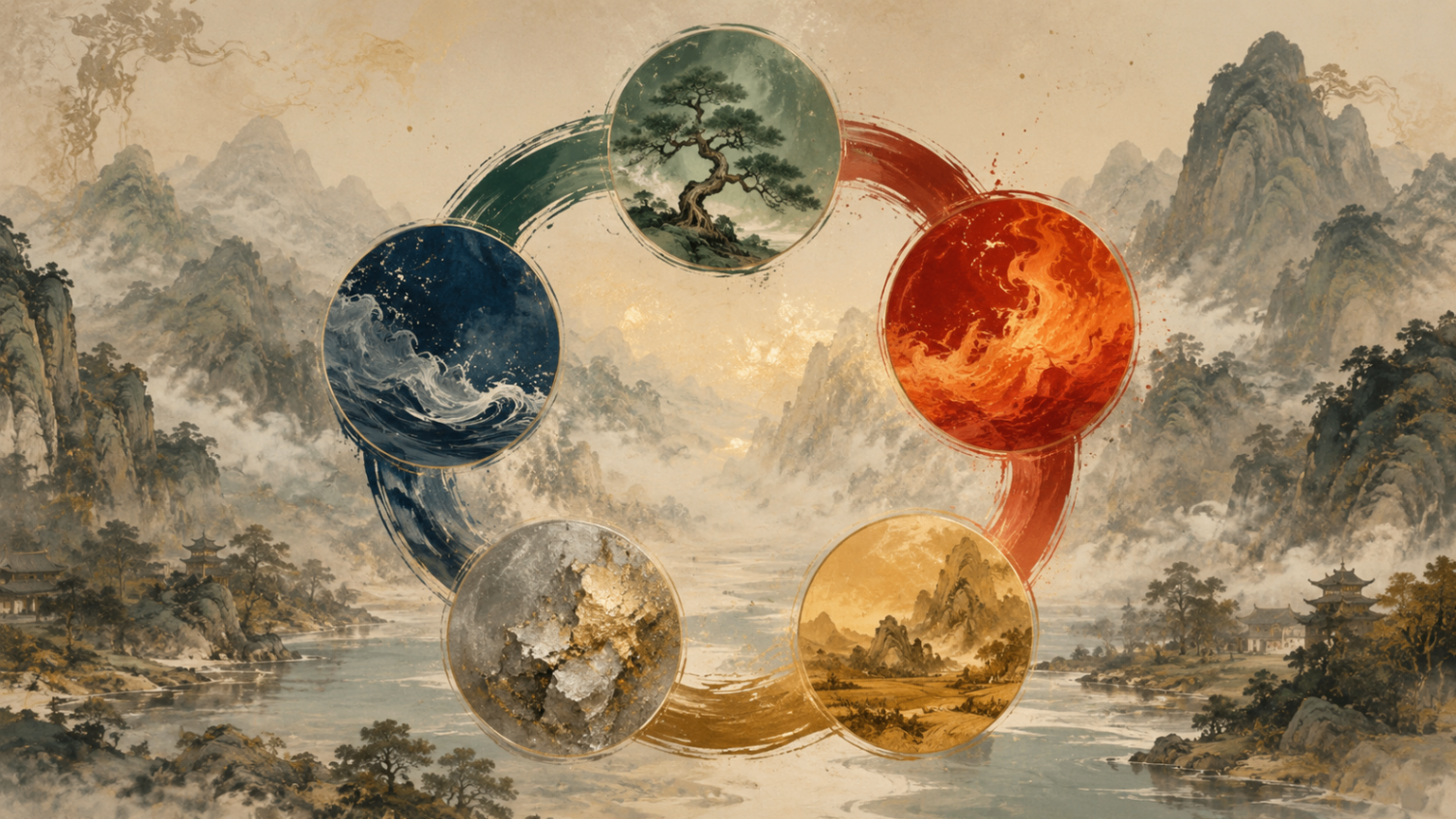
The Five Phases: What Ancient China Understood About Change That the Modern World Forgot
Wu Xing is not mysticism. It is one of history's most practical frameworks — used by emperors, physicians, and farmers for over two thousand years to understand the patterns that govern everything.
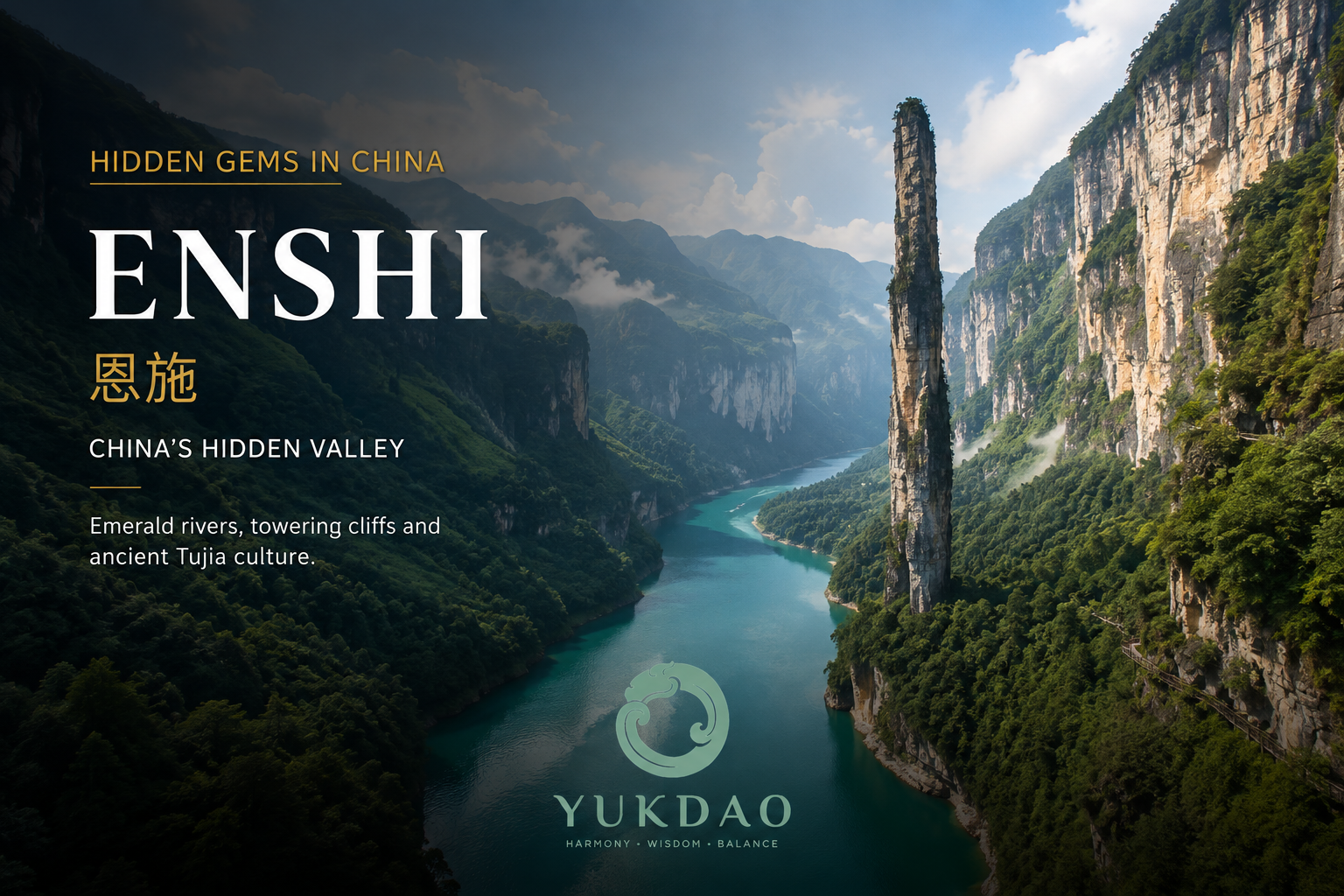
Enshi: China's Hidden Valley of Emerald Rivers and Ancient Tujia Culture
Emerald rivers, towering limestone cliffs and the traditions of the Tujia people make Enshi one of China's most extraordinary hidden landscapes.
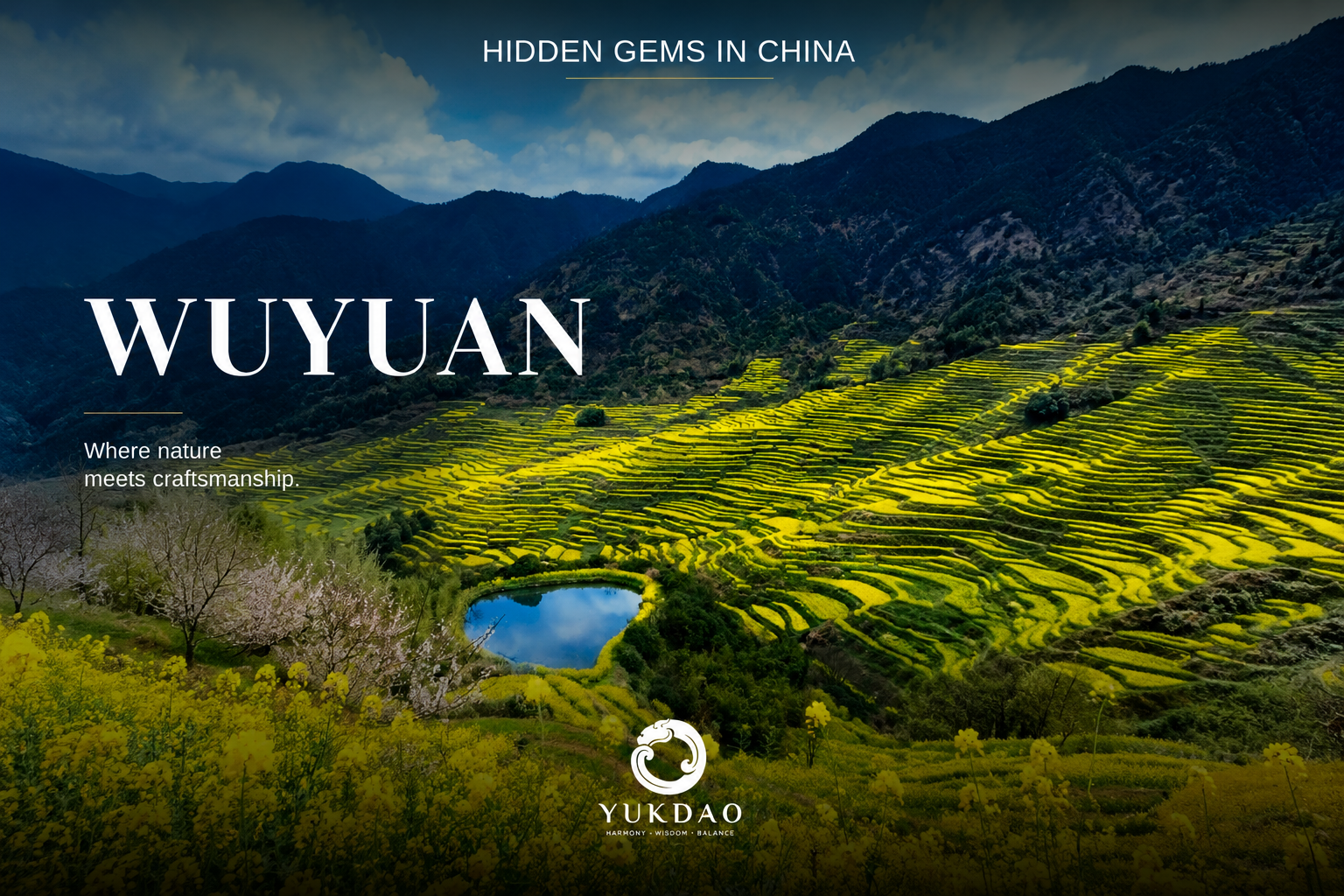
Wuyuan: Where Nature Meets Craftsmanship
Golden terraces, whitewashed villages and centuries-old carving traditions reveal a quieter side of China in Wuyuan.
Keep exploring China
Hidden places, cultural stories and thoughtful ideas, one letter at a time.